Homemade Cottage Cheese is surprisingly easy to make! With only a few simple steps and a few simple ingredients you can whip this up in very little time! The results are much better than one can get at the store.
Homesteading is one of our many passions. If you are here you may be interested as well! Try these other homesteader recipes like Homemade Lard. For a challenging yet rewarding experience try Homemade Soap which is not as complicated as you might think.
I might receive a small commission for items purchased through affiliate links in this post at no additional cost to you.
To see a quick video for this recipe, Click Here!

TABLE OF CONTENTS FOR HOMEMADE COTTAGE CHEESE
My wife, my kids, and I love cottage cheese! When the price of the stuff went through the roof we decided to make our own. The results of which we were more than pleased with.
In the pursuit to making more of our own products on our homestead, this one was obvious. It has been a homesteading staple since the 19th century. Being used in old times to make something out of milk that went sour.
The term Cottage Cheese was used in the 1800’s to describe a simple homemade cheese. They weren’t wrong because it is very simple indeed. Cottage cheese has saved a lot of milk in from going unused.
INGREDIENTS TO MAKE HOMEMADE COTTAGE CHEESE:

- Milk- Fat free, 1%, 2%, and whole milk will work fine.
- White vinegar
- Salt
- Heavy cream (optional)
As I described, the ingredients are so simple and accessible!
HOW TO PASTEURIZE MILK WITH AN INSTANT POT

- I do it in an instant pot which makes it much easier to pasteurize! Hit “YOGURT” and adjust the settings until the display says, “boil” or “HIGH”. Put your lid on with the steam vent open OR closed.

- When it beeps and says, “YOGT” then it is done pasteurizing.

HOW TO PASTEURIZE MILK WITHOUT AN INSTANT POT
- Heat the milk on medium heat in a heavy bottom pan. Stir constantly so the milk does not burn on the bottom of the pan. Once it reads 190°F it is done and you can shut the heat off.
HOMEMADE COTTAGE CHEESE STEPS

- After pasteurizing the milk, pour in 3/4 cup of white vinegar.
- This will curdle the milk and you will see that it begins curdling instantly!

- Let it curdle for 30 minutes!
- Cover a colander with cheese cloth.

- Get this ready while your curds are forming. Place a colander into a large bowl. Put a sheet of doubled up cheese cloth in the colander.
- You do this so that the curds can sit above the whey, and the excess whey drains in to the large bowl.
- Spoon the curds into the cheese cloth. Let the whey drain out for 30 minutes.

- I prefer to use a slotted spoon for this process to keep more whey in the pot.


- Place all of the curds in the cheesecloth. This left over liquid is called whey and has many uses of its own.

- Wrap the cheesecloth around the curds forming a ball and wash it under cold water.

- Wash the cheese curds until the curds are cool to touch. This should only take a few minutes.

- Pour the curds into a bowl. Starting with 1 teaspoon, add salt to taste.

- Add heavy cream to taste. (optional)
- Traditionally cottage cheese is just 3 ingredients. But to get that creamy and refreshing cottage cheese that you are used to you are going to want to add cream!
- You can use however much you want but add a little at a time and stir it in. Repeat this process until it is to your desired creaminess.

- Cover and let sit in the refrigerator for 1 hour.
- Stir and serve cold.


HOW TO STORE COTTAGE CHEESE:
- Store fresh cottage cheese in a covered container for up to one week.
TOPPINGS TO PUT ON COTTAGE CHEESE:
When it comes to toppings on cottage cheese. Personal preference is key.
- Honey
- Fruit
- Nuts
- Pepper
- With a salad
- Cinnamon
- I could go on and on but you have the final say. Let me know what you put on your cottage cheese!
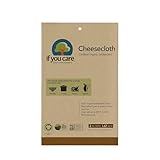


IF YOU CARE 72×36-Inch Cheesecloth, Unbleached, 2-Square Yards (Pack of 6)
(as of October 16, 2026 06:20 GMT -05:00 – More infoProduct prices and availability are accurate as of the date/time indicated and are subject to change. Any price and availability information displayed on [relevant Amazon Site(s), as applicable] at the time of purchase will apply to the purchase of this product.)RECIPE TIPS AND VARIATIONS:
- Yield: Makes about 3 cups of cottage cheese.
- Tips: Pasteurizing with an instant pot is much easier than the old fashioned way.
- Storage: Cover and store in the refrigerator for up to 1 week.
- Toppings: Honey, fruit, nuts, pepper, cinammon, whatever you want to put on it!
MORE RECIPES TO TRY:
Homemade Cottage Cheese

Homemade Cottage Cheese is surprisingly easy to make! With only a few simple steps and a few simple ingredients you can whip this up in very little time! The results are much better than one can get at the store.
Ingredients
- 1 Gallon of milk- Fat free, 1%, 2%, and whole milk will all work
- 3/4 cups white vinegar
- 1 tsp salt
- Heavy cream to taste (optional)
Instructions
- Pasteurize the milk- If you have an instant pot, put the lid on with the steam vent open or closed. Push the YOGURT button until the screen says "boil" or "HIGH" depending on your model. When the instant pot beeps and says, "YOGT" then it is done pasteurizing. If you do NOT have an instant pot, heat the milk on medium heat to 190°F stirring constantly so the milk does not burn on the bottom of the pan.
- Add 3/4 cup of vinegar and stir a few times. This will begin curdling the milk. Let the milk curdle for 30 minutes.
- Spoon the curds into a double layer of cheesecloth that's placed in a colander either over a bowl, or over the sink. Let it drain for 30 minutes.
- Gather the corners of the cheesecloth up and form a ball of curds. Wash the outside of the ball of curds with cold water until all of the curds in the ball are cool.
- Put the curds into a bowl and add salt to taste, beginning with 1 teaspoon.
- (Optional) A few tablespoons at a time, add heavy cream until it is at your desired creaminess.
Notes
Nutrition Information:
Yield:
6Serving Size:
1/2 cupAmount Per Serving: Calories: 110Total Fat: 4.5gSaturated Fat: 3gTrans Fat: 0gCholesterol: 20mgSodium: 460mgCarbohydrates: 3gFiber: 0gSugar: 3gProtein: 12g

Potato Cakes made with the Wild Onion, will keep you waiting for spring to come. Potato Cakes are an old Read more

Among the most common edible plants in North America, you will find this beauty! Chenopodium album is known as many Read more

Curry carrots is a very simple dish, but is one of the absolute best carrot recipes you could ever ask Read more

I like to use venison in my chili feel free to use beef. Venison Chili is a meal that you Read more

I started cooking at a very young age. In middle school, my friends and their parents would ask me to cook food for them because I could make something out of nothing. I love to cook up new concoctions and see what everyone likes. When I became of working age, I started as a buss boy at a barbecue restaurant, and then moved on to work all positions of the restaurant industry. From head chef of a Jamaican restaurant in Tulsa, OK, to sous chef at a highly accredited bistro on the Oregon coast, all before I turned 21.
I Inherited land in southeast Oklahoma and now spend my days working a Fedex delivery route and working with my wife and 3 young boys on our rural homestead. We raise many different kinds of animals and some vegetable gardens. I hunt all manor of large and small game, and butcher all of my own meat. We harvest wild edibles of all kinds and enjoy to cook with them and eat them.
I am grateful that you stopped by to see how we are doing and hope to see you again very soon. We would love to be friends and hope you enjoy all of the recipes and information that I can manage to put out.
Thank you, and much love!
-Eligh
I may receive a small commission for items purchased through affiliate links in this post at no additional cost to you.
- Homemade Remedy for Arthritis: Ginger Poultice - January 21, 2025
- THE WORLD FAMOUS SMELT FISH - January 9, 2025
- GROWING CORIANDER FROM SEED - December 10, 2024


KitchenAid KSM3311XAQ Artisan Mini Series Tilt-Head Stand Mixer, 3.5 quart, Aqua Sky Blue
(as of October 16, 2026 18:54 GMT -05:00 - More infoProduct prices and availability are accurate as of the date/time indicated and are subject to change. Any price and availability information displayed on [relevant Amazon Site(s), as applicable] at the time of purchase will apply to the purchase of this product.)



KitchenAid Artisan Series 5 Quart Tilt Head Stand Mixer with Pouring Shield KSM150PS, Matcha
(as of October 16, 2026 20:11 GMT -05:00 - More infoProduct prices and availability are accurate as of the date/time indicated and are subject to change. Any price and availability information displayed on [relevant Amazon Site(s), as applicable] at the time of purchase will apply to the purchase of this product.)


Instant Pot, 6-Quart Whisper Quiet 9-in-1 Electric Pressure Cooker, Slow Rice Steamer, Sauté, Yogurt Maker, Warmer & Sterilizer, Free App with 800+ Recipes, Stainless Steel
(as of October 16, 2026 11:13 GMT -05:00 - More infoProduct prices and availability are accurate as of the date/time indicated and are subject to change. Any price and availability information displayed on [relevant Amazon Site(s), as applicable] at the time of purchase will apply to the purchase of this product.)Auto Amazon Links: No products found.


IMUSA USA Granite Molcajete Spice Grinder 6-Inch, Gray
(as of October 15, 2026 23:39 GMT -05:00 - More infoProduct prices and availability are accurate as of the date/time indicated and are subject to change. Any price and availability information displayed on [relevant Amazon Site(s), as applicable] at the time of purchase will apply to the purchase of this product.)
Nut Milk Bags, All Natural Cheesecloth Bags, 12"x12", 2 Pack, 100% Unbleached Cotton Cloth Bags for Tea/Yogurt/Juice/Wine/Soup/Herbs, Durable Washable Reusable Almond Milk Strainer(Weave 66x70)
(as of October 16, 2026 20:11 GMT -05:00 - More infoProduct prices and availability are accurate as of the date/time indicated and are subject to change. Any price and availability information displayed on [relevant Amazon Site(s), as applicable] at the time of purchase will apply to the purchase of this product.)
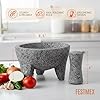


Genuine Handmade Mexican Mortar and Pestle Set- 8 Inches, Molcajete Mexicano — Mexican Cookware Perfect as Salsa Bowls, Guacamole Bowl and Masher, Mortero Para Cocina made from Volcanic Rock in Mexico
(as of October 15, 2026 23:39 GMT -05:00 - More infoProduct prices and availability are accurate as of the date/time indicated and are subject to change. Any price and availability information displayed on [relevant Amazon Site(s), as applicable] at the time of purchase will apply to the purchase of this product.)
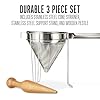

Weston Stainless Steel Cone and Pestle Set (83-3030-W), 2 Quart Capacity, Dishwasher Safe, 1.9-Liter, Silver
(as of October 15, 2026 23:39 GMT -05:00 - More infoProduct prices and availability are accurate as of the date/time indicated and are subject to change. Any price and availability information displayed on [relevant Amazon Site(s), as applicable] at the time of purchase will apply to the purchase of this product.)


Micro Ingredients Multi Collagen Peptides Powder, 1lb (41 Servings) – Hydrolyzed Type I,II,III,V,X with Biotin, Hyaluronic Acid, Vitamin C – Unflavored Collagen for Women & Men, Easy Dissolve
(as of October 15, 2026 23:39 GMT -05:00 - More infoProduct prices and availability are accurate as of the date/time indicated and are subject to change. Any price and availability information displayed on [relevant Amazon Site(s), as applicable] at the time of purchase will apply to the purchase of this product.)




Tammy
Saturday 7th of February 2026
Hi! I used raw whole milk to start and followed the recipe and instructions exactly. Everything seems to have worked as it should, except the curds seem to be more like crumbled cheese than the soft curds I am accustomed to from store bought cottage cheese. The result is that they are more chewy which makes me think my end product is not quite as it should be. I almost wonder if I were to knead it, if I would have some thing more like mozzarella cheese. Did I do something wrong? Regardless, it isn't a loss because I will eat it, one way or another! But I would love to know if this is the texture I should expect. Thanks in advance for any answers!
Tracy
Tuesday 13th of January 2026
Love this method! Thanks so much for sharing it. I also make yogurt in my instant pot. One of the best gadgets I’ve bought for my kitchen. I use it a lot.
Kass
Tuesday 10th of December 2024
I am scratching my head as to why you would need to "pasteurize" storebought milk that has already been pasteurized.
Eligh Miller-Polivka
Tuesday 10th of December 2024
Hi thank you for your question! Re-pasteurizing milk before making cheese or cottage cheese can be a helpful step to ensure quality and safety. It removes any bacteria that might have gotten in during storage or handling, gives the milk a fresh start for fermentation, and helps create consistent results. This is especially useful for soft cheeses like cottage cheese, which are often eaten fresh. While it’s not always necessary, re-pasteurizing can be a great way to keep your cheese-making process reliable and safe.
BLACKBERRY SODA RECIPE – GREAT FOR KIDS! | The Good Old Way
Wednesday 27th of November 2024
[…] HOMEMADE COTTAGE CHEESE […]
Peggy Miller
Tuesday 5th of November 2024
Yummy on the cottage cheese. I love cottage cheese but have never had home made. I have eaten lots of curds also but didn’t know they were cottage cheese without adding more milk at the end.