Making your own turmeric skin-lightening cream is simple and affordable, and it ensures that you’re putting safe ingredients on your skin.
This recipe will last you a while, and it follows the rule of never putting anything on your skin that you wouldn’t be able to eat.


I suggest you shop for your turmeric powder at an Indian store. it’s so much cheaper! I got this bag for $1!
Don’t worry about dark spots on your skin – you’re not alone. Natural skin-lightening methods can help you feel more confident and embrace your skin.
MORE RECIPES YOU WILL LOVE!
- EASY BANANA PEEL FACE MASK: FREEZER STICK
- 2 Ways to Make: Willow Bark Tincture and Tea for Pain
- 2 Easy Ways: Wild Yam Cream Recipe
Contents

I might receive a small commission for items purchased through affiliate links in this post at no additional cost to you.
Ingredients:
- 1 tablespoon turmeric powder (Buy Here)
- 2 tablespoons shea butter (Buy Here)
- 1 tablespoon coconut oil (Buy Here)
- 1 teaspoon vitamin E oil (Buy Here)
- 1 teaspoon aloe vera gel (optional, for added soothing properties) (Buy Here)
- 5-10 drops of a natural preservative such as grapefruit seed extract (optional, for additional preservation) (Buy Here)

Instructions:
- In a double boiler or microwave-safe bowl, melt the shea butter and coconut oil together until fully liquefied.
- Remove from heat and allow the mixture to cool slightly.
- Stir in the turmeric powder, vitamin E oil, and aloe vera gel until well combined.
- If using, add the natural preservative drops and mix thoroughly.
- Transfer the mixture to a clean, airtight container for storage.
- Allow the cream to cool and solidify at room temperature before sealing the container.
Storage:
- Store the turmeric cream in a cool, dry place away from direct sunlight.
- Use a clean spatula or spoon to scoop out the desired amount of cream to avoid introducing bacteria.
- With proper storage and handling, this cream should remain shelf-stable for several weeks to a few months. However, always check for signs of spoilage such as changes in color, odor, or texture, and discontinue use if any occur.
Notes:
- Turmeric has the potential to stain fabrics and surfaces, so be cautious during application and rinse your skin thoroughly.
- Perform a patch test before using the cream on your face, especially if you have sensitive skin or allergies.
- While natural preservatives can help extend the shelf life of the cream, it’s essential to monitor it for any signs of spoilage and use it within a reasonable timeframe.

How to use your skin lightening cream:
- Before applying the cream to your dark spots, perform a patch test on a small area of your skin, such as the inside of your wrist or elbow. Wait for 24 hours to make sure you don’t have any adverse reactions, like redness, irritation, or itching.
- Start by cleansing your skin with a gentle cleanser to get rid of any dirt, oil, or makeup. Then, pat your skin dry with a clean towel.
- Apply the Cream: Use your fingertips or a brush to apply it evenly to your dark spots. Turmeric can stain skin so you can use gloves or brushes.
- Leave on for 15-20 Minutes: Let it sit on your skin for 15-20 minutes.
- Rinse Off: Rinse with lukewarm water.
- Pat Dry: Gently pat your skin dry with a clean towel.
- Moisturize: Use your favorite moisturizer to keep your skin soft and supple.
- Sun Protection: Apply sunscreen with a high SPF during the day.
- Frequency: Use the turmeric cream mask 1-2 times per week.

Here are some quick methods you can try to get rid of turmeric stains on your skin:
- 1. Wash the stained area with a gentle cleanser and warm water.
- 2. Use a gentle exfoliating scrub or a washcloth to scrub the stained area.
- 3. Apply fresh lemon juice to the stained area and massage it in.
- 4. Mix baking soda with water to form a paste, then apply it to the stained area.
- 5. Apply a small amount of turmeric paste to the stained area and leave it on for a few minutes.
- 6. Apply a natural oil, such as coconut oil or olive oil, to the stained area and massage it in.
- 7. Use a gentle makeup remover or micellar water to dissolve and remove the turmeric residue if the stain persists.
ENJOY!
Plants hold the key to nature’s gentle healing touch, offering remedies that harmonize with our bodies and nurture our well-being, connecting us to the ancient wisdom of the earth.

Keeping your skin healthy can be simple. These DIY skincare recipes follow the rule of not using anything on your Read more

Do you want beautiful happy skin? Lets work on having a younger-looking face and more healthy skin with the Best Read more

Tallow has been used for centuries for cooking, skincare, and even candle-making. Today, we’re learning how to render beef tallow Read more

Beef tallow balm is a natural, nourishing way to keep your skin soft and hydrated. Rich in vitamins A, D, Read more

I started cooking at a very young age. In middle school, my friends and their parents would ask me to cook food for them because I could make something out of nothing. I love to cook up new concoctions and see what everyone likes. When I became of working age, I started as a buss boy at a barbecue restaurant, and then moved on to work all positions of the restaurant industry. From head chef of a Jamaican restaurant in Tulsa, OK, to sous chef at a highly accredited bistro on the Oregon coast, all before I turned 21.
I Inherited land in southeast Oklahoma and now spend my days working a Fedex delivery route and working with my wife and 3 young boys on our rural homestead. We raise many different kinds of animals and some vegetable gardens. I hunt all manor of large and small game, and butcher all of my own meat. We harvest wild edibles of all kinds and enjoy to cook with them and eat them.
I am grateful that you stopped by to see how we are doing and hope to see you again very soon. We would love to be friends and hope you enjoy all of the recipes and information that I can manage to put out.
Thank you, and much love!
-Eligh
I may receive a small commission for items purchased through affiliate links in this post at no additional cost to you.
- Homemade Remedy for Arthritis: Ginger Poultice - January 21, 2025
- THE WORLD FAMOUS SMELT FISH - January 9, 2025
- GROWING CORIANDER FROM SEED - December 10, 2024



KitchenAid KSM3311XAQ Artisan Mini Series Tilt-Head Stand Mixer, 3.5 quart, Aqua Sky Blue
(as of October 7, 2026 18:04 GMT -05:00 - More infoProduct prices and availability are accurate as of the date/time indicated and are subject to change. Any price and availability information displayed on [relevant Amazon Site(s), as applicable] at the time of purchase will apply to the purchase of this product.)





KitchenAid Artisan Series 5 Quart Tilt Head Stand Mixer with Pouring Shield KSM150PS, Matcha
(as of October 6, 2026 19:33 GMT -05:00 - More infoProduct prices and availability are accurate as of the date/time indicated and are subject to change. Any price and availability information displayed on [relevant Amazon Site(s), as applicable] at the time of purchase will apply to the purchase of this product.)


Instant Pot, 6-Quart Whisper Quiet 9-in-1 Electric Pressure Cooker, Slow Rice Steamer, Sauté, Yogurt Maker, Warmer & Sterilizer, Free App with 800+ Recipes, Stainless Steel
(as of October 7, 2026 10:20 GMT -05:00 - More infoProduct prices and availability are accurate as of the date/time indicated and are subject to change. Any price and availability information displayed on [relevant Amazon Site(s), as applicable] at the time of purchase will apply to the purchase of this product.)Auto Amazon Links: No products found.


IMUSA USA Granite Molcajete Spice Grinder 6-Inch, Gray
(as of October 6, 2026 22:27 GMT -05:00 - More infoProduct prices and availability are accurate as of the date/time indicated and are subject to change. Any price and availability information displayed on [relevant Amazon Site(s), as applicable] at the time of purchase will apply to the purchase of this product.)
Nut Milk Bags, All Natural Cheesecloth Bags, 12"x12", 2 Pack, 100% Unbleached Cotton Cloth Bags for Tea/Yogurt/Juice/Wine/Soup/Herbs, Durable Washable Reusable Almond Milk Strainer(Weave 66x70)
(as of October 6, 2026 19:33 GMT -05:00 - More infoProduct prices and availability are accurate as of the date/time indicated and are subject to change. Any price and availability information displayed on [relevant Amazon Site(s), as applicable] at the time of purchase will apply to the purchase of this product.)



Genuine Handmade Mexican Mortar and Pestle Set- 8 Inches, Molcajete Mexicano — Mexican Cookware Perfect as Salsa Bowls, Guacamole Bowl and Masher, Mortero Para Cocina made from Volcanic Rock in Mexico
(as of October 6, 2026 22:27 GMT -05:00 - More infoProduct prices and availability are accurate as of the date/time indicated and are subject to change. Any price and availability information displayed on [relevant Amazon Site(s), as applicable] at the time of purchase will apply to the purchase of this product.)
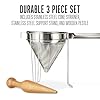



Weston Stainless Steel Cone and Pestle Set (83-3030-W), 2 Quart Capacity, Dishwasher Safe, 1.9-Liter, Silver
(as of October 6, 2026 22:27 GMT -05:00 - More infoProduct prices and availability are accurate as of the date/time indicated and are subject to change. Any price and availability information displayed on [relevant Amazon Site(s), as applicable] at the time of purchase will apply to the purchase of this product.)


Micro Ingredients Multi Collagen Peptides Powder, 1lb (41 Servings) – Hydrolyzed Type I,II,III,V,X with Biotin, Hyaluronic Acid, Vitamin C – Unflavored Collagen for Women & Men, Easy Dissolve
(as of October 6, 2026 22:27 GMT -05:00 - More infoProduct prices and availability are accurate as of the date/time indicated and are subject to change. Any price and availability information displayed on [relevant Amazon Site(s), as applicable] at the time of purchase will apply to the purchase of this product.)




HEALING POWER OF SUCCULENT PLANTS | The Good Old Way
Wednesday 27th of November 2024
[…] TURMERIC SKIN LIGHTENING CREAM: HOW TO MAKE […]
Best Facial Cleanser For Women Over 50 DIY
Saturday 23rd of November 2024
[…] Turmeric Skin Lightening Cream: How To Make […]
7 EASY DIY SKIN CARE RECIPES | The Good Old Way
Friday 10th of May 2024
[…] Turmeric Skin Lightening Cream: How To Make it! […]