How to Make Your Own Kombucha at home is easier than you might think and offers numerous advantages over store-bought options. Not only is it cost-effective, but it also allows for complete customization to suit your taste. Plus, the process itself is simple and rewarding, making it an accessible project for beginners and experienced DIY enthusiasts alike.

Learning how to make your own kombucha has been such a rewarding experience, especially because it connects me to my family’s traditions. My grandmother and mother were always brewing kombucha in their homes, and it felt like magic watching the SCOBY transform sweet tea into something tangy, fizzy, and delicious.
Inspired by their influence, I decided to carry on the tradition in my own home. Now, I get to experiment with flavors and share the results with family and friends. There’s something so fulfilling about knowing how to make your own kombucha.
Benefits of Homemade Kombucha
- Budget-Friendly: A single batch of kombucha costs only a fraction of what you’d spend on store-bought bottles. With just tea, sugar, and a SCOBY, you can create gallons of kombucha for pennies per serving.
- Customizable: Adjust the sweetness, flavor, and fermentation time to perfectly match your preferences.
- Fresh and Potent: Homemade kombucha retains all its active probiotics and nutrients, as it’s unpasteurized and free from preservatives.
- Environmentally Friendly: By using reusable jars and bottles, you reduce waste and your ecological footprint.
- Empowering and Fun: The process of brewing kombucha is straightforward, giving you a sense of accomplishment and control over what you consume.


8-Pack 8.5oz Flip Top Glass Bottles, Swing Top Beer Brewing Bottle for Fermentation, Kombucha, Kefir, Vanilla Extract, Coquito, Juice, Soda, Tea – Airtight Stopper Cap Lid, Bonus 2 Bottle Pourers
(as of March 26, 2026 00:45 GMT -05:00 – More infoProduct prices and availability are accurate as of the date/time indicated and are subject to change. Any price and availability information displayed on [relevant Amazon Site(s), as applicable] at the time of purchase will apply to the purchase of this product.)How to Make Your Own Kombucha
Ingredients
- 1 gallon of filtered water
- 8-10 black or green tea bags (or 2 tablespoons loose leaf tea)
- 1 cup granulated sugar
- 1 SCOBY (Symbiotic Culture of Bacteria and Yeast)
- 1-2 cups starter tea (unflavored kombucha from a previous batch or store-bought raw kombucha)
Equipment Needed
- A large glass jar (1-gallon size)
- A breathable cover (such as a coffee filter or cloth) and a rubber band
- Wooden or plastic stirring utensil
- Clean bottles for storage
Instructions How to Make Your Own Kombucha
- Brew the Tea: Boil the filtered water and steep the tea bags for 10-15 minutes. Remove the tea bags and dissolve the sugar completely by stirring. Let the sweet tea cool to room temperature.
- Prepare the Jar: Pour the cooled sweet tea into the glass jar. Add the starter tea to acidify the mixture and create the right environment for fermentation.
- Add the SCOBY: Gently place the SCOBY into the jar with clean hands. Cover the jar with the breathable cloth and secure it with a rubber band.
- Ferment: Place the jar in a warm, dark spot (68-85°F) and let it ferment for 7-14 days. The exact time depends on your taste preference – a shorter ferment results in a sweeter kombucha, while a longer ferment makes it tangier.
- Taste Test: After 7 days, start tasting your kombucha by carefully inserting a straw beneath the SCOBY. When it reaches your preferred flavor, it’s ready. (I like mine strong and tangy, my spouse likes it a bit more mellow. I take half out and leave some fermenting a bit longer for me!)
- Bottle and Store: Remove the SCOBY and 1-2 cups of kombucha to use as starter tea for your next batch. Pour the remaining kombucha into bottles, leaving some room for carbonation. Seal tightly and refrigerate to slow further fermentation.


Kombucha Jar with Spigot and Shelf,1-Gallon Glass Continuous Kombucha Jar w/Breathable Stainless Steel mesh top for Conducive to Brewing
(as of March 25, 2026 18:13 GMT -05:00 – More infoProduct prices and availability are accurate as of the date/time indicated and are subject to change. Any price and availability information displayed on [relevant Amazon Site(s), as applicable] at the time of purchase will apply to the purchase of this product.)
Why Homemade Kombucha is Better
- Cost-Effective: Making kombucha at home can save you significant money compared to purchasing bottles from the store. A single batch can yield multiple servings at just a fraction of the price.
- Customizable: You can control the strength, flavor, and sweetness of your kombucha to suit your preferences. Love it fruity? Add your favorite fruit or herbs during the bottling phase.
- Freshness: Homemade kombucha is fresher, ensuring the probiotics are active and effective, which is often not the case with pasteurized store-bought versions.
- Eco-Friendly: Reduce waste by using reusable bottles and avoiding single-use store-bought packaging.
- Higher Probiotic Content: Store-bought kombucha is often pasteurized, which can kill off beneficial bacteria. Homemade versions retain their full probiotic potential.
- Easy and Rewarding: Once you have the basic setup, brewing kombucha becomes second nature. Watching your SCOBY grow and thrive is both fascinating and fulfilling.


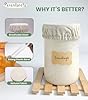

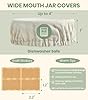

Perenllareta Kombucha Fabric Toppers for Weck Jars Wide Mouth | Elastic Cotton Cloth Fermenting Lid Covers for Sourdough Kefir Starter Ball Mason Gallon Jar
(as of March 25, 2026 18:13 GMT -05:00 – More infoProduct prices and availability are accurate as of the date/time indicated and are subject to change. Any price and availability information displayed on [relevant Amazon Site(s), as applicable] at the time of purchase will apply to the purchase of this product.)How to Make Your Own Kombucha FAQ
What Does Kombucha Do to the Sugar?
When you brew kombucha, the sugar feeds the yeast and bacteria in the SCOBY (Symbiotic Culture of Bacteria and Yeast). They transform the sugar into acids, carbonation, and a touch of alcohol. The result? A tangy, slightly sweet drink that’s loaded with probiotics.
Why Does Kombucha Bubble?
The fizz comes from natural fermentation. As the yeast in the SCOBY consumes sugar, it produces carbon dioxide, creating those delightful bubbles. It’s nature’s soda!
What’s the Dark Stuff on the SCOBY?
Those dark strands or blobs are often yeast or leftover tea particles. It’s a normal part of the fermentation process. Just think of them as kombucha’s little quirks.
How Does the SCOBY Form Layers?
A new layer forms during each fermentation cycle, growing on top of the old one. This happens as bacteria and yeast work their magic, creating cellulose and binding together. Over time, your SCOBY becomes a thick, jelly-like pancake.
Is the SCOBY Edible?
Yes! While it might not be everyone’s cup of tea, SCOBY can be eaten. It’s chewy and tangy, and some people use it in smoothies or even as a base for fruit leather.
How to Grow a SCOBY Without Starting With One
If you don’t have a SCOBY, you can grow your own! Here’s how:
- Buy a bottle of unflavored, raw kombucha.
- Pour it into a jar with some sweet tea.
- Cover with a cloth and let it sit in a warm spot for 2-4 weeks. Soon, you’ll see a new SCOBY forming on top!
How Much Does a Bottle of Kombucha Cost?
Store-bought kombucha typically costs $3 to $5 per bottle. Making your own at home is much more budget-friendly and rewarding.
How to Do a Second Ferment
The second ferment is where the fun begins! Here’s what to do:
- After the first ferment, pour your kombucha into bottles, leaving the SCOBY behind.
- Add flavorings like fruit, herbs, or spices.
- Seal the bottles tightly and let them sit at room temperature for 2-7 days. This boosts carbonation and infuses flavor.
- Chill before enjoying.
Is Kombucha Good for Your Skin?
Yes! Kombucha is rich in probiotics and antioxidants, which can help balance your skin’s microbiome and promote a healthy glow. Some skincare products even use kombucha as an ingredient.
How Long Has Kombucha Been Made?
Kombucha has been around for over 2,000 years! Originating in East Asia, it was treasured for its health benefits and called the “elixir of life.” It’s amazing to think that we’re continuing this ancient tradition today.
What to Look Out for When Kombucha Goes Bad
Kombucha that has gone bad might have an off smell, unusual mold (fuzzy or green/black), or taste overly sour. Always trust your senses—if it seems off, it’s best to discard it.
When Is the SCOBY Bad?
A healthy SCOBY should be firm and light in color, with some natural variations. If you see fuzzy mold (green or black), unusual smells, or if it’s slimy and falling apart, it’s time to replace it.
How Long Does Kombucha Last?
Homemade kombucha can last for 1-3 months in the fridge after fermentation. The flavor will continue to develop over time. Just make sure it’s sealed tightly and stored properly to maintain freshness.

Homemade Kombucha
Ingredients
- 1 gal Filtered water
- 8-10 Black or green tea bags
- 1 cup Granulated sugar
- 1 SCOBY (Symbiotic Culture of Bacteria and Yeast)
- 1-2 cups starter tea (unflavored kombucha from a previous batch or store-bought raw kombucha)
Instructions
- Brew the Tea: Boil the filtered water and steep the tea bags for 10-15 minutes. Remove the tea bags and dissolve the sugar completely by stirring. Let the sweet tea cool to room temperature.
- Prepare the Jar: Pour the cooled sweet tea into the glass jar. Add the starter tea to acidify the mixture and create the right environment for fermentation.
- Add the SCOBY: Gently place the SCOBY into the jar with clean hands. Cover the jar with the breathable cloth and secure it with a rubber band.
- Ferment: Place the jar in a warm, dark spot (68-85°F) and let it ferment for 7-14 days. The exact time depends on your taste preference – a shorter ferment results in a sweeter kombucha, while a longer ferment makes it tangier.
- Taste Test: After 7 days, start tasting your kombucha by carefully inserting a straw beneath the SCOBY. When it reaches your preferred flavor, it’s ready. (I like mine strong and tangy, my spouse likes it a bit more mellow. I take half out and leave some fermenting a bit longer for me!)
- Bottle and Store: Remove the SCOBY and 1-2 cups of kombucha to use as starter tea for your next batch. Pour the remaining kombucha into bottles, leaving some room for carbonation. Seal tightly and refrigerate to slow further fermentation.
Notes
What to Look Out for When Kombucha Goes Bad
Kombucha that has gone bad might have an off smell, unusual mold (fuzzy or green/black), or taste overly sour. Always trust your senses—if it seems off, it’s best to discard it.What’s the Dark Stuff on the SCOBY?
Those dark strands or blobs are often yeast or leftover tea particles. It’s a normal part of the fermentation process. Just think of them as kombucha’s little quirks.
Fermented Garlic Honey has a host of proven health benefits. The uses range from daily maintenance doses for overall health Read more

Fermented Cucumbers Pickles are not like standard pickles! They are easier to make, healthier for you, and believed to increase Read more

DIY kombucha skin care, natural solutions are trending like never before. From probiotic-infused creams to fermented ingredients, the beauty world Read more

Beef Tallow Face Cream is a natural, nourishing way to keep your skin soft and hydrated. Tallow is rich in Read more

I started cooking at a very young age. In middle school, my friends and their parents would ask me to cook food for them because I could make something out of nothing. I love to cook up new concoctions and see what everyone likes. When I became of working age, I started as a buss boy at a barbecue restaurant, and then moved on to work all positions of the restaurant industry. From head chef of a Jamaican restaurant in Tulsa, OK, to sous chef at a highly accredited bistro on the Oregon coast, all before I turned 21.
I Inherited land in southeast Oklahoma and now spend my days working a Fedex delivery route and working with my wife and 3 young boys on our rural homestead. We raise many different kinds of animals and some vegetable gardens. I hunt all manor of large and small game, and butcher all of my own meat. We harvest wild edibles of all kinds and enjoy to cook with them and eat them.
I am grateful that you stopped by to see how we are doing and hope to see you again very soon. We would love to be friends and hope you enjoy all of the recipes and information that I can manage to put out.
Thank you, and much love!
-Eligh
I may receive a small commission for items purchased through affiliate links in this post at no additional cost to you.
- Homemade Remedy for Arthritis: Ginger Poultice - January 21, 2025
- THE WORLD FAMOUS SMELT FISH - January 9, 2025
- GROWING CORIANDER FROM SEED - December 10, 2024

KitchenAid KSM3311XAQ Artisan Mini Series Tilt-Head Stand Mixer, 3.5 quart, Aqua Sky Blue
(as of March 26, 2026 02:27 GMT -05:00 - More infoProduct prices and availability are accurate as of the date/time indicated and are subject to change. Any price and availability information displayed on [relevant Amazon Site(s), as applicable] at the time of purchase will apply to the purchase of this product.)



KitchenAid Artisan Series 5 Quart Tilt Head Stand Mixer with Pouring Shield KSM150PS, Matcha
(as of March 26, 2026 04:27 GMT -05:00 - More infoProduct prices and availability are accurate as of the date/time indicated and are subject to change. Any price and availability information displayed on [relevant Amazon Site(s), as applicable] at the time of purchase will apply to the purchase of this product.)


Instant Pot, 6-Quart Whisper Quiet 9-in-1 Electric Pressure Cooker, Slow Rice Steamer, Sauté, Yogurt Maker, Warmer & Sterilizer, Free App with 800+ Recipes, Stainless Steel
(as of March 26, 2026 01:28 GMT -05:00 - More infoProduct prices and availability are accurate as of the date/time indicated and are subject to change. Any price and availability information displayed on [relevant Amazon Site(s), as applicable] at the time of purchase will apply to the purchase of this product.)Auto Amazon Links: No products found.


IMUSA USA Granite Molcajete Spice Grinder 6-Inch, Gray
(as of March 26, 2026 07:23 GMT -05:00 - More infoProduct prices and availability are accurate as of the date/time indicated and are subject to change. Any price and availability information displayed on [relevant Amazon Site(s), as applicable] at the time of purchase will apply to the purchase of this product.)
Nut Milk Bags, All Natural Cheesecloth Bags, 12"x12", 2 Pack, 100% Unbleached Cotton Cloth Bags for Tea/Yogurt/Juice/Wine/Soup/Herbs, Durable Washable Reusable Almond Milk Strainer(Weave 66x70)
(as of March 25, 2026 20:34 GMT -05:00 - More infoProduct prices and availability are accurate as of the date/time indicated and are subject to change. Any price and availability information displayed on [relevant Amazon Site(s), as applicable] at the time of purchase will apply to the purchase of this product.)


Genuine Handmade Mexican Mortar and Pestle Set- 8 Inches, Molcajete Mexicano — Mexican Cookware Perfect as Salsa Bowls, Guacamole Bowl and Masher, Mortero Para Cocina made from Volcanic Rock in Mexico
(as of March 26, 2026 07:23 GMT -05:00 - More infoProduct prices and availability are accurate as of the date/time indicated and are subject to change. Any price and availability information displayed on [relevant Amazon Site(s), as applicable] at the time of purchase will apply to the purchase of this product.)
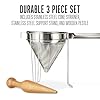
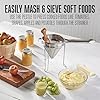
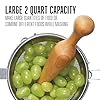

Weston Stainless Steel Cone and Pestle Set (83-3030-W), 2 Quart Capacity, Dishwasher Safe, 1.9-Liter, Silver
(as of March 26, 2026 07:23 GMT -05:00 - More infoProduct prices and availability are accurate as of the date/time indicated and are subject to change. Any price and availability information displayed on [relevant Amazon Site(s), as applicable] at the time of purchase will apply to the purchase of this product.)

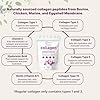

Micro Ingredients Multi Collagen Peptides Powder, 1lb – Hydrolyzed Type I,II,III,V,X with Biotin, Hyaluronic Acid, Vitamin C – Unflavored Collagen for Women & Men, Easy Dissolve, 41 Servings
(as of March 26, 2026 07:23 GMT -05:00 - More infoProduct prices and availability are accurate as of the date/time indicated and are subject to change. Any price and availability information displayed on [relevant Amazon Site(s), as applicable] at the time of purchase will apply to the purchase of this product.)