In search of a natural remedy for pain relief? In this guide, we’ll uncover its benefits, sustainable harvesting methods, and two simple ways to make this Willow Bark Tincture Recipe.
Willow grows fast! If you chop this tree down it will grow a lot of branches called suckers or water sprouts you can use these little suckers as well.


Why Willow Bark? Black Willow bark like White Willow bark is nature’s answer to pain and inflammation. Packed with salicin, akin to aspirin, it’s your ally against headaches, arthritis, and muscle pain, fostering healing and well-being.
Table of Contents for willow bark tincture recipe
I might receive a small commission for items purchased through affiliate links in this post at no additional cost to you.
- Harvesting Tips for your Willow Bark Tincture Recipe:
- EQUIPMENT NEEDED
- Willow Bark Tincture Recipe:
- Ingredients:
- Instructions Harvest and Drying:
- Instructions Making the Willow Bark Tincture Recipe:
- Tips:
- Directions for Use:
- Willow Bark Tea Instructions:
- History of willow bark tincture recipe.
- Potential Side Effects of using this Willow Bark tincture recipe
- Disclaimer:
More Recipes You Will Love!
- ELDERBERRY TEA: HOW TO MAKE IT | The Good Old Way
- LAVENDER TEA: HOW TO MAKE IT AND TIPS | The Good Old Way
- OREGANO TEA: HOW TO HEAL YOURSELF | The Good Old Way
- HOW TO MAKE FERMENTED GARLIC HONEY | The Good Old Way

Harvesting Tips for your Willow Bark Tincture Recipe:
Timing: Spring or early summer offers the prime harvest window when salicin concentrations peak. This ensures maximum potency for your remedies.
Quality Matters: opt for tender, young shoots for maximal potency. The fresher the growth, the more active compounds it contains.
Eco-Friendly Harvesting: Prioritize sustainability, leaving ample growth for the tree’s vitality and future harvests.

Dried Black Willow: Salix nigra and White Willow: Salix alba typically contains 40-60mg of salicin per gram. A standard daily dose ranges from 2 to 6 grams, providing approximately 80-360mg of salicin.
Using a 1:5 ratio of dried willow bark to alcohol, with 2.4 teaspoons of dried willow bark per serving, and 1 teaspoon of alcohol weighing approximately 240 grams.
EQUIPMENT NEEDED
- 12 pcs, 1 oz Amber Dropper Bottles
- Heavy Duty Natural Granite Mortar and Pestle Set
- Herb Drying Rack 8 Layer
Willow Bark Tincture Recipe:
Ingredients:
- Dried Willow Bark: 48 grams (0.5 cups)
- Alcohol: 240 grams (1 cup) (e.g., vodka or Everclear).
Instructions Harvest and Drying:
- Harvest Willow Twigs: Select fresh, young twigs from a healthy willow tree. Ideally, choose twigs that are about the thickness of a pencil and free from damage or disease.
- Clean the Twigs: Rinse the twigs thoroughly under cold water to remove any dirt or debris. Pat them dry with a clean cloth.
- Chop or Crush Twigs: Using clean scissors or a sharp knife, chop the twigs into small pieces. Alternatively, you can crush them slightly with a mortar and pestle to release more of their active compounds.
- Arrange the Twigs: Lay the trimmed twigs in a single layer on a clean, dry surface. Make sure they are not touching or overlapping to allow for proper air circulation.
- Choose a Drying Location: Place the twigs in a well-ventilated area with low humidity. A dry, airy room or outdoor space with shade is ideal.
- Allow for Air Circulation: Ensure that there is adequate airflow around the twigs to facilitate drying. You can use a fan to increase air circulation if needed.
Instructions Making the Willow Bark Tincture Recipe:
- Fill a Clean Jar: Place the chopped or crushed twigs into a clean glass jar. Fill the jar about halfway full with the willow pieces.
- Add Alcohol: Pour a high-proof alcohol such as vodka or grain alcohol over the twigs until they are completely covered. Ensure that the alcohol level is at least 60-70% to ensure effective extraction.
- Label and Seal the Jar: Label the jar with the date and contents. Seal the jar tightly with a lid.
- Steep the Mixture: Place the jar in a cool, dark place, such as a pantry or cupboard, to steep. Allow the mixture to steep for at least 4-6 weeks, shaking the jar gently every few days to agitate the contents.
- Strain the Tincture: After the steeping period, strain the tincture through a fine mesh strainer or cheesecloth into a clean glass bottle. Squeeze out as much liquid as possible from the willow twigs.
- Store the Tincture: Store the strained tincture in a labeled glass bottle in a cool, dark place. It should keep for several months to a year if stored properly.
- Usage: To use the willow tincture, dilute a small amount in water or juice and consume orally. Start with a low dose and gradually increase as needed, following any dosage recommendations or guidance from a healthcare professional.
Tips:
Ensure the bark is fully submerged in alcohol to prevent mold growth. Shake the jar periodically for even extraction. Store tincture in a cool, dark place to maintain potency.
Directions for Use:
Take 1 milliliter (approximately one dropperful) up to three times daily, or as directed by your healthcare professional. Shake well before each use. Store in a cool, dry place.
It’s important to start with a lower dose and increase gradually as needed, under the guidance of a healthcare professional or herbalist, taking into account factors such as the individual’s weight, age, and overall health condition.
Willow Bark Tea Instructions:
Ingredients: 1-2 tsp dried black or white willow bark, 1 cup water.
Instructions: Steep bark in hot water for 10-15 mins. Strain and sip for soothing relief.
Tips: Grind bark for better extraction. Use a lid while steeping to retain volatile oils. Adjust the amount according to taste and desired strength of the tea.

In a Crisis:
Willow bark knowledge becomes invaluable during emergencies when traditional medications are scarce. Its natural pain-relieving properties provide an accessible alternative.
History of willow bark tincture recipe.
From ancient civilizations to modern times, willow bark has stood the test of time as a revered natural remedy for pain and inflammation. Its rich history and continued use reflect its enduring legacy as a symbol of healing and resilience in the human quest for wellness.
In the 19th century, the active compound responsible for willow bark’s medicinal properties was isolated and identified as salicin. This discovery paved the way for the development of aspirin, a synthetic derivative of salicin, by German chemist Felix Hoffmann in the late 19th century.
Despite the advent of synthetic alternatives, willow bark continues to be used in traditional medicine and herbal remedies worldwide. Its natural anti-inflammatory and analgesic effects make it a popular choice for those seeking natural pain relief.

Potential Side Effects of using this Willow Bark tincture recipe
- Stomach Upset: Willow bark might upset your stomach, causing discomfort or nausea.
- Allergic Reactions: Some people may be allergic to willow bark, leading to itching or rash.
- Blood Thinning: Willow bark can thin the blood, increasing the risk of bleeding.
- Medication Interactions: It may interact with certain medications, so consult your doctor before use.
- Risk for Children: Children and teens should avoid it due to the risk of Reye’s syndrome.
- Caution for Pregnancy/Breastfeeding: Pregnant or nursing women should avoid willow bark.
Disclaimer:
This product is not intended to diagnose, treat, cure, or prevent any disease. Always consult with a qualified healthcare professional before using herbal supplements, especially if you are pregnant, nursing, have a medical condition, or are taking other medications. Discontinue use and consult a healthcare professional if any adverse reactions occur. Keep out of reach of children.
Books
- The Herbal Medicine & Natural Remedies Encyclopedia
- Natural Remedies for Holistic Healing Inspired by Barbara O’Neill’s Teachings
- DK Encyclopedia of Herbal Medicine: 550 Herbs
- Native American Herbalist’s Bible [14 Books in 1]: 500+
Sources and More Information
- White Willow Bark Benefits, Uses, Side Effects and More – Dr. Axe (draxe.com)
- WILLOW BARK: Overview, Uses, Side Effects, Precautions, Interactions, Dosing and Reviews (webmd.com)
- White Willow Bark (mountainroseherbs.com)
- Willow Herbal Pain Relief – Mother Earth Living

If you have never laid eyes on a chanterelle mushroom before, this new endeavor might be slightly intimidating to you. Read more

These Easy Fire Starters are made with common household items that you normally throw away! Just 3 materials you need Read more

Baked Brie is a wonderful way to start or finish a meal! Great for holidays or family get togethers, anyone Read more

Homemade lard is a traditional way of taking fat and turning it into a very diverse and useful ingredient. Use Read more

I started cooking at a very young age. In middle school, my friends and their parents would ask me to cook food for them because I could make something out of nothing. I love to cook up new concoctions and see what everyone likes. When I became of working age, I started as a buss boy at a barbecue restaurant, and then moved on to work all positions of the restaurant industry. From head chef of a Jamaican restaurant in Tulsa, OK, to sous chef at a highly accredited bistro on the Oregon coast, all before I turned 21.
I Inherited land in southeast Oklahoma and now spend my days working a Fedex delivery route and working with my wife and 3 young boys on our rural homestead. We raise many different kinds of animals and some vegetable gardens. I hunt all manor of large and small game, and butcher all of my own meat. We harvest wild edibles of all kinds and enjoy to cook with them and eat them.
I am grateful that you stopped by to see how we are doing and hope to see you again very soon. We would love to be friends and hope you enjoy all of the recipes and information that I can manage to put out.
Thank you, and much love!
-Eligh
I may receive a small commission for items purchased through affiliate links in this post at no additional cost to you.
- Homemade Remedy for Arthritis: Ginger Poultice - January 21, 2025
- THE WORLD FAMOUS SMELT FISH - January 9, 2025
- GROWING CORIANDER FROM SEED - December 10, 2024


KitchenAid KSM3311XAQ Artisan Mini Series Tilt-Head Stand Mixer, 3.5 quart, Aqua Sky Blue
(as of May 11, 2026 06:32 GMT -05:00 - More infoProduct prices and availability are accurate as of the date/time indicated and are subject to change. Any price and availability information displayed on [relevant Amazon Site(s), as applicable] at the time of purchase will apply to the purchase of this product.)





KitchenAid Artisan Series 5 Quart Tilt Head Stand Mixer with Pouring Shield KSM150PS, Matcha
(as of May 10, 2026 18:25 GMT -05:00 - More infoProduct prices and availability are accurate as of the date/time indicated and are subject to change. Any price and availability information displayed on [relevant Amazon Site(s), as applicable] at the time of purchase will apply to the purchase of this product.)


Instant Pot, 6-Quart Whisper Quiet 9-in-1 Electric Pressure Cooker, Slow Rice Steamer, Sauté, Yogurt Maker, Warmer & Sterilizer, Free App with 800+ Recipes, Stainless Steel
(as of May 11, 2026 06:32 GMT -05:00 - More infoProduct prices and availability are accurate as of the date/time indicated and are subject to change. Any price and availability information displayed on [relevant Amazon Site(s), as applicable] at the time of purchase will apply to the purchase of this product.)Auto Amazon Links: No products found.


IMUSA USA Granite Molcajete Spice Grinder 6-Inch, Gray
(as of May 10, 2026 19:03 GMT -05:00 - More infoProduct prices and availability are accurate as of the date/time indicated and are subject to change. Any price and availability information displayed on [relevant Amazon Site(s), as applicable] at the time of purchase will apply to the purchase of this product.)
Nut Milk Bags, All Natural Cheesecloth Bags, 12"x12", 2 Pack, 100% Unbleached Cotton Cloth Bags for Tea/Yogurt/Juice/Wine/Soup/Herbs, Durable Washable Reusable Almond Milk Strainer(Weave 66x70)
(as of May 11, 2026 01:58 GMT -05:00 - More infoProduct prices and availability are accurate as of the date/time indicated and are subject to change. Any price and availability information displayed on [relevant Amazon Site(s), as applicable] at the time of purchase will apply to the purchase of this product.)



Genuine Handmade Mexican Mortar and Pestle Set- 8 Inches, Molcajete Mexicano — Mexican Cookware Perfect as Salsa Bowls, Guacamole Bowl and Masher, Mortero Para Cocina made from Volcanic Rock in Mexico
(as of May 10, 2026 19:34 GMT -05:00 - More infoProduct prices and availability are accurate as of the date/time indicated and are subject to change. Any price and availability information displayed on [relevant Amazon Site(s), as applicable] at the time of purchase will apply to the purchase of this product.)
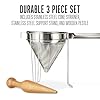


Weston Stainless Steel Cone and Pestle Set (83-3030-W), 2 Quart Capacity, Dishwasher Safe, 1.9-Liter, Silver
(as of May 10, 2026 20:30 GMT -05:00 - More infoProduct prices and availability are accurate as of the date/time indicated and are subject to change. Any price and availability information displayed on [relevant Amazon Site(s), as applicable] at the time of purchase will apply to the purchase of this product.)


Micro Ingredients Multi Collagen Peptides Powder, 1lb – Hydrolyzed Type I,II,III,V,X with Biotin, Hyaluronic Acid, Vitamin C – Unflavored Collagen for Women & Men, Easy Dissolve, 41 Servings
(as of May 10, 2026 16:32 GMT -05:00 - More infoProduct prices and availability are accurate as of the date/time indicated and are subject to change. Any price and availability information displayed on [relevant Amazon Site(s), as applicable] at the time of purchase will apply to the purchase of this product.)




Shoshana
Saturday 25th of October 2025
Ugh. I just poured the last of my vodka over the willow bark before realizing it's only 80 proof (40% alcohol). Please let me know if you think I should toss that batch out and start over, or if I should let it sit for 8-12 weeks instead. Thank you so much.
Pure Ache Aid: 20 Confirmed Treatments – UrbanEchoes
Thursday 5th of June 2025
[…] It’s also possible to make white willow bark right into a tincture, which has the identical advantages, however you solely want about 1/2 a teaspoon at a time. This is make a willow bark tincture. […]
Pure Ache Aid: 20 Confirmed Treatments – UrbanEchoes
Thursday 5th of June 2025
[…] You can even make white willow bark right into a tincture, which has the identical advantages, however you solely want about 1/2 a teaspoon at a time. This is tips on how to make a willow bark tincture. […]
HEALING POWER OF SUCCULENT PLANTS | The Good Old Way
Monday 18th of November 2024
[…] WILLOW BARK TINCTURE RECIPE […]
How to Dry Mullein and Harvest: Simply. |
Tuesday 14th of May 2024
[…] Willow Bark Tincture Recipe […]