Learn how to take care of cast iron pan, known for their toughness, heat retention, and natural non-stick abilities when seasoned just right. Whether you’re just starting out or you’re a pro in the kitchen, it’s super important to know how to take care of your cast iron.
This guide will walk you through How to Take Care of Cast Iron Pan from start to finish, from daily care to getting rid of rust, re-seasoning, and even using them for outdoor cooking.

I might receive a small commission for items purchased through affiliate links in this post at no additional cost to you.
Contents of this article
- Equipment Needed to Care for Cast Iron Pans Daily
- How to take Care of Cast Iron Pan Daily
- Long-Term Storage
- How To Take Care of Cast Iron Pan by Removing Rust
- How To Take Care of Cast Iron Pan by Re-seasoning
- Starting Over: Removing Old Seasoning
- Choosing the Right Cast Iron Pan
- Recommended Brands
- Brands to Avoid
- How To Take Care of Cast Iron Pan While Camping
- How To Take Care of Cast Iron Pan on the Campfire or Gas Stove
- Final Tips
Equipment Needed to Care for Cast Iron Pans Daily
(AMAZON LINKS)
- Lodge SCRBRSH Scrub Brush
- For cleaning off food residue without damaging the seasoning.
- Chainmail Scrubber
- For tougher cleaning jobs that require a bit more abrasion.
- Non-abrasive Sponge
- For gentle cleaning and routine maintenance.
- Plastic Scraper
- To remove stuck-on food without scratching the surface.
How to take Care of Cast Iron Pan Daily
Cleaning After Each Use
- Cool Down: Allow the pan to cool slightly after use but clean it while it’s still warm.
- Rinse with Hot Water: Use hot water and a stiff brush or a non-abrasive scrubber to remove food particles.
- Avoid Soap: Soap can strip away the seasoning. If necessary, use a small amount of mild dish soap, but it’s usually not needed.
- Dry Immediately: Prevent rust by drying the pan thoroughly with a towel.
- Oil the Pan: Apply a thin layer of cooking oil to the surface while the pan is still warm to maintain the seasoning.
How to take Care of Cast Iron Pan Regular Upkeep
- Re-season Periodically: Even with regular use, it’s a good idea to re-season your cast iron every few months.
- Check for Rust: Regularly inspect your pan for rust spots and address them immediately.

Long-Term Storage
When storing your cast iron pan for an extended period:
- Clean Thoroughly: Ensure the pan is clean and dry.
- Apply a Light Coat of Oil: Wipe a thin layer of oil over the entire surface.
- Store in a Dry Place: Keep it in a dry environment to avoid moisture build-up and rust.
- Use Paper Towels: Place a paper towel inside the pan to absorb any moisture.

How To Take Care of Cast Iron Pan by Removing Rust
- Scrub with Steel Wool: Use fine steel wool to scrub off the rust. This will remove both rust and seasoning.
- Rinse and Dry: Rinse with water and dry thoroughly.
- Re-season Immediately: After rust removal, it’s crucial to re-season your pan to protect it.
How To Take Care of Cast Iron Pan by Re-seasoning
- Preheat the Oven: Preheat your oven to 450°F (232°C).
- Apply Oil: Coat the entire pan with a thin layer of oil (vegetable oil, flaxseed oil, lard, or canola oil).
- Bake Upside Down: Place the pan upside down in the oven with a foil-lined baking sheet on the lower rack to catch drips.
- Bake for an Hour: Let the pan bake for an hour, then turn off the oven and let it cool completely inside the oven.
- Repeat if Necessary: For a stronger seasoning, repeat the process 2-3 times.
Starting Over: Removing Old Seasoning
How To Take Care of Cast Iron Pan If your pan has become sticky, rusty, or has uneven seasoning:
- Strip the Pan: Use an oven cleaner or a lye bath to strip the old seasoning completely. Alternatively, run it through the self-cleaning cycle of your oven.
- Scrub and Rinse: Scrub off any remaining residue with steel wool and rinse thoroughly.
- Re-season from Scratch: Follow the re-seasoning steps to build a new, even layer of seasoning.

Choosing the Right Cast Iron Pan
Recommended Brands
(AMAZON LINKS)
| Victoria $20 – $60 Pre-seasoned with flaxseed oil, ergonomic handles, smoother finish compared to some other budget brands Finex $125 – $275 Unique design, polished surfaces, ergonomic handles, beautiful Field Company $100 – $235 Lightweight, smooth finishes Smithey Ironware Smithey Ironware Company Website $160 – $275 Traditional craftsmanship, polished interiors Lodge $15 – $100 Affordable, reliable, widely available |

Brands to Avoid
- Cheap, Pre-seasoned Pans: Often have inferior seasoning and can be prone to uneven heating.
- Unknown Brands or no brand: Lack of quality control can lead to poor cooking performance and durability issues.

How To Take Care of Cast Iron Pan While Camping
- Pre-season Before Camping: Ensure your pan is well-seasoned before taking it outdoors.
- Clean Promptly: After each use, clean the pan with hot water and a brush. Avoid using soap.
- Dry Completely: Use a towel to dry the pan immediately.
- Oil the Pan: Apply a light coat of oil to the pan to maintain the seasoning.
- Avoid High Moisture Areas: Store the pan in a dry place to prevent rusting.
How To Take Care of Cast Iron Pan on the Campfire or Gas Stove
- Avoid Direct Flames: Use hot coals or a grill grate rather than placing the pan directly over flames.
- Manage Heat: Cast iron retains heat well, so start with low to medium heat to prevent burning.
- Use a Lid: When cooking with a lid, it helps distribute heat more evenly.
- Rotate Regularly: Rotate the pan frequently to ensure even cooking and prevent hot spots.

Final Tips
- Avoid Acidic Foods: Limit cooking highly acidic foods in your cast iron as they can erode the seasoning. Tomato-based sauces, vinegar-based dishes, citrus-based foods, wine-based sauces, certain fruits, and soy sauce
- Use with Care: Avoid dropping your cast iron or subjecting it to rapid temperature changes to prevent cracking.
- Invest in Quality: A good cast iron pan is an investment that, with proper care, can last for generations.
FAQ: Caring for Your Cast Iron Pan
Q: What does seasoning do for your pan?
A: Seasoning is the process of applying a layer of oil to the cast iron pan and heating it to create a natural, non-stick surface. This protective layer not only helps prevent food from sticking but also protects the pan from rust and enhances its cooking performance.
Q: Can you use soap to clean the pans?
A: While traditional advice suggests avoiding soap, modern dish soaps are typically mild enough to use occasionally. However, frequent use of soap can strip away the seasoning, so it’s best to clean with hot water and a stiff brush. If you do use soap, make sure to reapply a thin layer of oil afterward to maintain the seasoning.
Q: Can you use metal utensils on cast iron pans?
A: Yes, you can use metal utensils on cast iron pans. The seasoning layer is tough and can withstand the use of metal spatulas, spoons, and other utensils. However, avoid scraping the pan too aggressively to maintain the seasoning.
Q: Can you leave the pan wet?
A: No, leaving a cast iron pan wet can cause it to rust. After washing, always dry the pan thoroughly with a towel and apply a light coat of oil to protect it from moisture.
Q: How do you prevent food from sticking to a cast iron pan?
A: Proper seasoning is key to preventing food from sticking. Additionally, preheating the pan before adding food and using adequate oil or fat can help. Cooking at the right temperature and avoiding acidic foods that can break down the seasoning also contribute to a non-stick surface.
Q: How often should you re-season a cast iron pan?
A: It depends on how frequently you use the pan. Regular use and maintenance with a light oiling after each wash will keep the seasoning in good shape. However, if you notice food starting to stick or the surface becoming uneven, it may be time for a more thorough re-seasoning.
Q: What should you do if your cast iron pan develops rust?
A: If your pan develops rust, use fine steel wool to scrub it off, rinse with water, and dry thoroughly. Re-season the pan immediately to restore the protective layer.
Q: Can you cook acidic foods in cast iron?
A: While you can cook acidic foods like tomatoes and citrus in cast iron, it’s best to do so sparingly. Acidic foods can break down the seasoning if cooked frequently or for long periods. If you do cook acidic foods, make sure to re-season the pan afterward.
Q: Is it safe to cook with a cast iron pan that has rust on it?
A: It’s best to remove rust before cooking with your cast iron pan. Cooking on a rusty surface can affect the flavor of your food and isn’t ideal for maintaining the pan’s seasoning. Clean off the rust and re-season the pan before use.
Q: How do you store a cast iron pan to prevent rust?
A: Store your cast iron pan in a dry place with good air circulation. Apply a light coat of oil before storing it, and consider placing a paper towel inside the pan to absorb any moisture. Avoid stacking multiple pans directly on top of each other without some form of protection between them.
Q: Can you use cast iron on any type of stove?
A: Yes, cast iron pans can be used on virtually any type of stove, including gas, electric, induction, and even campfires. Just ensure that you handle the pan carefully, as it retains heat very well.
Q: What are the benefits of using cast iron pans?
A: Cast iron pans offer excellent heat retention and even cooking. They are durable, versatile, and can be used for a wide range of cooking methods, including frying, baking, roasting, and more. With proper care, they can last for generations.
How To Take Care of Cast Iron Pan

Tools
- Stiff Brush or Scrubber. For cleaning off food residue without damaging the seasoning.
- Chainmail Scrubber. For tougher cleaning jobs that require a bit more abrasion.
- Non-abrasive Sponge. For gentle cleaning and routine maintenance.
- Plastic Scraper. To remove stuck-on food without scratching the surface.
Instructions
Daily Care and Maintenance
Cleaning After Each Use
- Cool Down: Allow the pan to cool slightly after use but clean it while it's still warm.
- Rinse with Hot Water: Use hot water and a stiff brush or a non-abrasive scrubber to remove food particles.
- Avoid Soap: Soap can strip away the seasoning. If necessary, use a small amount of mild dish soap, but it's usually not needed.
- Dry Immediately: Prevent rust by drying the pan thoroughly with a towel.
- Oil the Pan: Apply a thin layer of cooking oil to the surface while the pan is still warm to maintain the seasoning.
Regular Upkeep
- Re-season Periodically: Even with regular use, it’s a good idea to re-season your cast iron every few months.
- Check for Rust: Regularly inspect your pan for rust spots and address them immediately.
Long-Term Storage
When storing your cast iron pan for an extended period:
- Clean Thoroughly: Ensure the pan is clean and dry.
- Apply a Light Coat of Oil: Wipe a thin layer of oil over the entire surface.
- Store in a Dry Place: Keep it in a dry environment to avoid moisture build-up and rust.
- Use Paper Towels: Place a paper towel inside the pan to absorb any moisture.
Removing Rust from Cast Iron
- Scrub with Steel Wool: Use fine steel wool to scrub off the rust. This will remove both rust and seasoning.
- Rinse and Dry: Rinse with water and dry thoroughly.
- Re-season Immediately: After rust removal, it's crucial to re-season your pan to protect it.
Re-seasoning Your Cast Iron Pan
- Preheat the Oven: Preheat your oven to 450°F (232°C).
- Apply Oil: Coat the entire pan with a thin layer of oil (vegetable oil, flaxseed oil, or canola oil).
- Bake Upside Down: Place the pan upside down in the oven with a foil-lined baking sheet on the lower rack to catch drips.
- Bake for an Hour: Let the pan bake for an hour, then turn off the oven and let it cool completely inside the oven.
- Repeat if Necessary: For a stronger seasoning, repeat the process 2-3 times.
Starting Over: Removing Old Seasoning
If your pan has become sticky or has uneven seasoning:
- Strip the Pan: Use an oven cleaner or a lye bath to strip the old seasoning completely. Alternatively, run it through the self-cleaning cycle of your oven.
- Scrub and Rinse: Scrub off any remaining residue with steel wool and rinse thoroughly.
- Re-season from Scratch: Follow the re-seasoning steps to build a new, even layer of seasoning.
Choosing the Right Cast Iron Pan
Recommended Brands
- Lodge: Well-known for quality and affordability. Look for their unseasoned options.
- Finex: Premium, handcrafted cast iron with unique features like octagonal shapes.
- Smithey: Known for their smooth surfaces and high-quality craftsmanship.
- Field Company: Produces lightweight, smooth cast iron skillets.
Brands to Avoid
- Cheap, Pre-seasoned Pans: Often have inferior seasoning and can be prone to uneven heating.
- Unknown Brands: Lack of quality control can lead to poor cooking performance and durability issues.
Caring for Cast Iron While Camping
- Pre-season Before Camping: Ensure your pan is well-seasoned before taking it outdoors.
- Clean Promptly: After each use, clean the pan with hot water and a brush. Avoid using soap.
- Dry Completely: Use a towel to dry the pan immediately.
- Oil the Pan: Apply a light coat of oil to the pan to maintain the seasoning.
- Avoid High Moisture Areas: Store the pan in a dry place to prevent rusting.
Cooking on a Campfire or Gas Stove
- Avoid Direct Flames: Use hot coals or a grill grate rather than placing the pan directly over flames.
- Manage Heat: Cast iron retains heat well, so start with low to medium heat to prevent burning.
- Use a Lid: When cooking with a lid, it helps distribute heat more evenly.
- Rotate Regularly: Rotate the pan frequently to ensure even cooking and prevent hot spots.
Notes
- Avoid Acidic Foods: Limit cooking highly acidic foods in your cast iron as they can erode the seasoning.
- Use with Care: Avoid dropping your cast iron or subjecting it to rapid temperature changes to prevent cracking.
- Invest in Quality: A good cast iron pan is an investment that, with proper care, can last for generations.
Do you have any tried-and-true tips for caring for your cast iron pans? We’d love to hear from you! Share your best practices, unique methods, and any questions you have in the comments below. Thank you!

If you have never laid eyes on a chanterelle mushroom before, this new endeavor might be slightly intimidating to you. Read more

These Easy Fire Starters are made with common household items that you normally throw away! Just 3 materials you need Read more

Baked Brie is a wonderful way to start or finish a meal! Great for holidays or family get togethers, anyone Read more

Homemade lard is a traditional way of taking fat and turning it into a very diverse and useful ingredient. Use Read more

I started cooking at a very young age. In middle school, my friends and their parents would ask me to cook food for them because I could make something out of nothing. I love to cook up new concoctions and see what everyone likes. When I became of working age, I started as a buss boy at a barbecue restaurant, and then moved on to work all positions of the restaurant industry. From head chef of a Jamaican restaurant in Tulsa, OK, to sous chef at a highly accredited bistro on the Oregon coast, all before I turned 21.
I Inherited land in southeast Oklahoma and now spend my days working a Fedex delivery route and working with my wife and 3 young boys on our rural homestead. We raise many different kinds of animals and some vegetable gardens. I hunt all manor of large and small game, and butcher all of my own meat. We harvest wild edibles of all kinds and enjoy to cook with them and eat them.
I am grateful that you stopped by to see how we are doing and hope to see you again very soon. We would love to be friends and hope you enjoy all of the recipes and information that I can manage to put out.
Thank you, and much love!
-Eligh
I may receive a small commission for items purchased through affiliate links in this post at no additional cost to you.
- Homemade Remedy for Arthritis: Ginger Poultice - January 21, 2025
- THE WORLD FAMOUS SMELT FISH - January 9, 2025
- GROWING CORIANDER FROM SEED - December 10, 2024


KitchenAid KSM3311XAQ Artisan Mini Series Tilt-Head Stand Mixer, 3.5 quart, Aqua Sky Blue
(as of March 11, 2026 01:11 GMT -05:00 - More infoProduct prices and availability are accurate as of the date/time indicated and are subject to change. Any price and availability information displayed on [relevant Amazon Site(s), as applicable] at the time of purchase will apply to the purchase of this product.)




KitchenAid Artisan Series 5 Quart Tilt Head Stand Mixer with Pouring Shield KSM150PS, Matcha
(as of March 11, 2026 02:58 GMT -05:00 - More infoProduct prices and availability are accurate as of the date/time indicated and are subject to change. Any price and availability information displayed on [relevant Amazon Site(s), as applicable] at the time of purchase will apply to the purchase of this product.)


Instant Pot, 6-Quart Whisper Quiet 9-in-1 Electric Pressure Cooker, Slow Rice Steamer, Sauté, Yogurt Maker, Warmer & Sterilizer, Free App with 800+ Recipes, Stainless Steel
(as of March 11, 2026 00:28 GMT -05:00 - More infoProduct prices and availability are accurate as of the date/time indicated and are subject to change. Any price and availability information displayed on [relevant Amazon Site(s), as applicable] at the time of purchase will apply to the purchase of this product.)Auto Amazon Links: No products found.


IMUSA USA Granite Molcajete Spice Grinder 6-Inch, Gray
(as of March 11, 2026 06:13 GMT -05:00 - More infoProduct prices and availability are accurate as of the date/time indicated and are subject to change. Any price and availability information displayed on [relevant Amazon Site(s), as applicable] at the time of purchase will apply to the purchase of this product.)
Nut Milk Bags, All Natural Cheesecloth Bags, 12"x12", 2 Pack, 100% Unbleached Cotton Cloth Bags for Tea/Yogurt/Juice/Wine/Soup/Herbs, Durable Washable Reusable Almond Milk Strainer(Weave 66x70)
(as of March 10, 2026 19:27 GMT -05:00 - More infoProduct prices and availability are accurate as of the date/time indicated and are subject to change. Any price and availability information displayed on [relevant Amazon Site(s), as applicable] at the time of purchase will apply to the purchase of this product.)



Genuine Handmade Mexican Mortar and Pestle Set- 8 Inches, Molcajete Mexicano — Mexican Cookware Perfect as Salsa Bowls, Guacamole Bowl and Masher, Mortero Para Cocina made from Volcanic Rock in Mexico
(as of March 11, 2026 06:13 GMT -05:00 - More infoProduct prices and availability are accurate as of the date/time indicated and are subject to change. Any price and availability information displayed on [relevant Amazon Site(s), as applicable] at the time of purchase will apply to the purchase of this product.)
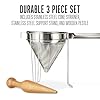
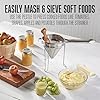

Weston Stainless Steel Cone and Pestle Set (83-3030-W), 2 Quart Capacity, Dishwasher Safe, 1.9-Liter, Silver
(as of March 11, 2026 06:13 GMT -05:00 - More infoProduct prices and availability are accurate as of the date/time indicated and are subject to change. Any price and availability information displayed on [relevant Amazon Site(s), as applicable] at the time of purchase will apply to the purchase of this product.)


Micro Ingredients Multi Collagen Peptides Powder, 1lb – Hydrolyzed Type I,II,III,V,X with Biotin 10000mcg, Hyaluronic Acid, Vitamin C – Unflavored Collagen for Women & Men, Easy Dissolve, 41 Servings
(as of March 11, 2026 06:13 GMT -05:00 - More infoProduct prices and availability are accurate as of the date/time indicated and are subject to change. Any price and availability information displayed on [relevant Amazon Site(s), as applicable] at the time of purchase will apply to the purchase of this product.)