Natural gardening helps the environment, plant health, and people by avoiding harmful chemicals, making soil better, strengthening plants, and growing your spring garden in balanced ecosystem without using synthetic pesticides or fertilizers.
HERE WE TALK ABOUT
JOYFUL GARDEN PAGES
- SWEET POTATO PIE
- CUSTARD STUFFED PUMPKIN
- HOW TO HAND POLLINATE SQUASH
- HARVESTING MARIGOLD SEEDS
- FERMENTED CUCUMBER PICKLES
- ITALIAN PASSATA

Steps to Preparing Soil in Your Spring Garden
The simple act of tending to my plants brings me so much joy and satisfaction. Gardening is my happy place, where I can escape the hustle and bustle of everyday life and just be one with the flowers and trees.
As spring approaches, I eagerly get ready for my garden.

First, I check my tools like gloves, trowels, and watering cans to make sure they’re clean and in good shape.
Then, I look at my soil to see if it needs any extra stuff like fertilizers to help my plants grow well.
Once my tools and soil are good to go, I plan where I’ll put my plants in the garden.
Then, I think about things like how much sun they need, how tall they’ll get, and how much space they need to grow nicely.
When it gets warmer, I start planting seeds either inside or outside, depending on what the plants need. I water them carefully, give them enough sunlight, and watch the weather to protect them from any bad surprises. I look after my garden, knowing it will soon be full of beautiful colors and plants.
CHECK ON YOUR EQUIPMENT

- Gardening Gloves: Protect your hands from thorns, cuts, and dirt while working in the garden.
- Hand Trowel: Perfect for digging small holes for planting, transplanting, and weeding.
- Pruning Shears: Ideal for trimming and shaping plants, cutting back overgrowth, and harvesting fruits and flowers.
- Rake: Essential for removing leaves, debris, and leveling soil in your spring garden beds.
- Watering Can or Hose: Keep your plants hydrated with a watering can for smaller areas or a hose for larger gardens.
- Shovel: Useful for digging large holes, moving soil, and transplanting larger plants.
- Garden Fork: Great for turning soil, aerating compost, and breaking up compacted dirt.
- Kneeling Pad: Protect your knees and make gardening more comfortable with a foam or gel kneeling pad.
CROP ROTATION FOR YOUR SPRING GARDEN
The simplest rule is to grow your crops in different areas. Crop rotation is the best preventative medicine you can give to your spring garden!
- Alliums (onions, shallots, leeks, garlic)
- Legumes (green beans, peas, peanuts, soybeans) enrich soil by fixing nitrogen.
- Brassicas (broccoli, cauliflower, cabbage, kale) are susceptible to pests and benefit from nitrogen-rich soil.
- Nightshades (tomatoes, eggplant, peppers, potatoes) thrive in nutrient-rich soil and need crop rotation.
- Umbellifers (carrots, parsnips, fennel, parsley, dill)
- Cucurbits (zucchini, squash, cucumbers, melons) are heavy feeders requiring fertile soil, popular in various cuisines.
Rotational gardening is a popular method where you plant different crops in a specific order over time to get more produce and keep the soil healthy. As a gardener, I really like this approach for a few reasons.
It stops pests and diseases that can harm certain plants by mixing things up.
For example, I switch my tomatoes with beans each season to lower the chance of soil diseases that attack tomatoes.
Rotational gardening can make the soil better by changing between crops that need different nutrients.
First, I planted corn that uses a lot of nutrients, next time I’ll plant peas or beans that add nitrogen to the soil. This not only keeps the soil healthy but also means you don’t need as much artificial fertilizer.
PLAN FOR COMPANION PLANTING IN YOUR SPRING GARDEN
I like companion planting because it helps me make a garden where plants help each other out. By putting certain plants together, I can keep away bugs, make the soil better, and get more crops. It’s like having a little world where each plant helps the others stay healthy.

- Tomatoes and Basil: Planting basil near tomatoes can help improve the flavor of the tomatoes and also repel pests like mosquitoes and flies.
- Carrots and Onions: Carrots and onions are great companions as they help to keep pests away from each other. Onions can also deter carrot flies.
- Corn, Beans, and Squash (Three Sisters): This traditional Native American planting technique involves growing corn, beans, and squash together. Corn provides support for beans to climb, beans add nitrogen to the soil, and squash acts as a living mulch, suppressing weeds.
- Lettuce and Radishes: Radishes can help deter pests like cucumber beetles that feed on lettuce. Additionally, radishes grow quickly, which can help mark the rows for slower-growing lettuce.
- Marigolds and Most Vegetables: Marigolds are known for their pest-repelling properties and can be planted throughout the garden to help protect a variety of vegetables from pests.
companion planting makes me feel connected to nature and the smart ways people used to garden. It’s a way to work together with nature, respecting how plants help each other and how everything relies on each other. In the end, companion planting makes my garden better and makes me happy, showing me how amazing nature is.
HOW I PLAN MY GARDEN
When I get ready to plant my spring veggies, I start by thinking about the different colors, shapes, and sizes of the veggies I want to grow. For example, I might picture mixing red tomatoes, green cucumbers, and orange carrots for a varied and plentiful harvest.

Next, I look at the space I have, thinking about things like how much sun it gets, the quality of the soil, and how much water the plants will need. If I have a sunny spot with good drainage, I might plan to grow sun-loving veggies like tomatoes or peppers. In a shadier area with moist soil, I could go for leafy greens such as spinach or kale.
I also think about how much work each veggie will need and when they’ll be ready to harvest. I might include herbs that keep growing back and quick-yielding crops like radishes or lettuce.
By carefully planning and considering these things, I can grow a productive and enjoyable spring veggie garden that brings happiness all season long.
TELL US HOW YOU START YOUR SPRING GARDEN PLANNING!

Potato Cakes made with the Wild Onion, will keep you waiting for spring to come. Potato Cakes are an old Read more

Curry carrots is a very simple dish, but is one of the absolute best carrot recipes you could ever ask Read more

Oh, Blueberries N' Cream! How I love Blueberries N' Cream! This dish is one of those simple dishes that just, Read more

Bok Choy soup is a quick and delicious soup! It is highly nutritious, hydrating, and quite versatile. Just a few Read more

I started cooking at a very young age. In middle school, my friends and their parents would ask me to cook food for them because I could make something out of nothing. I love to cook up new concoctions and see what everyone likes. When I became of working age, I started as a buss boy at a barbecue restaurant, and then moved on to work all positions of the restaurant industry. From head chef of a Jamaican restaurant in Tulsa, OK, to sous chef at a highly accredited bistro on the Oregon coast, all before I turned 21.
I Inherited land in southeast Oklahoma and now spend my days working a Fedex delivery route and working with my wife and 3 young boys on our rural homestead. We raise many different kinds of animals and some vegetable gardens. I hunt all manor of large and small game, and butcher all of my own meat. We harvest wild edibles of all kinds and enjoy to cook with them and eat them.
I am grateful that you stopped by to see how we are doing and hope to see you again very soon. We would love to be friends and hope you enjoy all of the recipes and information that I can manage to put out.
Thank you, and much love!
-Eligh
I may receive a small commission for items purchased through affiliate links in this post at no additional cost to you.
- Homemade Remedy for Arthritis: Ginger Poultice - January 21, 2025
- THE WORLD FAMOUS SMELT FISH - January 9, 2025
- GROWING CORIANDER FROM SEED - December 10, 2024



KitchenAid KSM3311XAQ Artisan Mini Series Tilt-Head Stand Mixer, 3.5 quart, Aqua Sky Blue
(as of March 31, 2026 18:03 GMT -05:00 - More infoProduct prices and availability are accurate as of the date/time indicated and are subject to change. Any price and availability information displayed on [relevant Amazon Site(s), as applicable] at the time of purchase will apply to the purchase of this product.)





KitchenAid Artisan Series 5 Quart Tilt Head Stand Mixer with Pouring Shield KSM150PS, Matcha
(as of March 31, 2026 17:25 GMT -05:00 - More infoProduct prices and availability are accurate as of the date/time indicated and are subject to change. Any price and availability information displayed on [relevant Amazon Site(s), as applicable] at the time of purchase will apply to the purchase of this product.)


Instant Pot, 6-Quart Whisper Quiet 9-in-1 Electric Pressure Cooker, Slow Rice Steamer, Sauté, Yogurt Maker, Warmer & Sterilizer, Free App with 800+ Recipes, Stainless Steel
(as of March 31, 2026 18:46 GMT -05:00 - More infoProduct prices and availability are accurate as of the date/time indicated and are subject to change. Any price and availability information displayed on [relevant Amazon Site(s), as applicable] at the time of purchase will apply to the purchase of this product.)Auto Amazon Links: No products found.


IMUSA USA Granite Molcajete Spice Grinder 6-Inch, Gray
(as of March 31, 2026 18:03 GMT -05:00 - More infoProduct prices and availability are accurate as of the date/time indicated and are subject to change. Any price and availability information displayed on [relevant Amazon Site(s), as applicable] at the time of purchase will apply to the purchase of this product.)
Nut Milk Bags, All Natural Cheesecloth Bags, 12"x12", 2 Pack, 100% Unbleached Cotton Cloth Bags for Tea/Yogurt/Juice/Wine/Soup/Herbs, Durable Washable Reusable Almond Milk Strainer(Weave 66x70)
(as of March 31, 2026 15:39 GMT -05:00 - More infoProduct prices and availability are accurate as of the date/time indicated and are subject to change. Any price and availability information displayed on [relevant Amazon Site(s), as applicable] at the time of purchase will apply to the purchase of this product.)
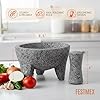


Genuine Handmade Mexican Mortar and Pestle Set- 8 Inches, Molcajete Mexicano — Mexican Cookware Perfect as Salsa Bowls, Guacamole Bowl and Masher, Mortero Para Cocina made from Volcanic Rock in Mexico
(as of March 31, 2026 18:28 GMT -05:00 - More infoProduct prices and availability are accurate as of the date/time indicated and are subject to change. Any price and availability information displayed on [relevant Amazon Site(s), as applicable] at the time of purchase will apply to the purchase of this product.)
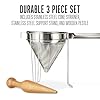
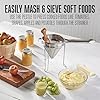

Weston Stainless Steel Cone and Pestle Set (83-3030-W), 2 Quart Capacity, Dishwasher Safe, 1.9-Liter, Silver
(as of March 31, 2026 19:49 GMT -05:00 - More infoProduct prices and availability are accurate as of the date/time indicated and are subject to change. Any price and availability information displayed on [relevant Amazon Site(s), as applicable] at the time of purchase will apply to the purchase of this product.)


Micro Ingredients Multi Collagen Peptides Powder, 1lb – Hydrolyzed Type I,II,III,V,X with Biotin, Hyaluronic Acid, Vitamin C – Unflavored Collagen for Women & Men, Easy Dissolve, 41 Servings
(as of March 31, 2026 15:29 GMT -05:00 - More infoProduct prices and availability are accurate as of the date/time indicated and are subject to change. Any price and availability information displayed on [relevant Amazon Site(s), as applicable] at the time of purchase will apply to the purchase of this product.)