Scientists estimate that humans can eat as many as 300,000 plant species, and yet we only consume about 200. Foraging wild plants can be a rewarding and sustainable way to connect with nature and diversify your diet.
Recipes Using Foraged Wild Plants
- SIMPLE HOMEMADE BEAUTY BERRY JELLY
- SIMPLE LAMBSQUARTERS RECIPE
- HOMEMADE WILD PLUM JELLY
- WILD FORAGED GARLIC POWDER
These recipes are easy to make especially using this pamphlet as your guide to foraging! ↓

• This waterproof guide pamphlet is on Amazon! I find it a simple solution to begin foraging! lightweight easy-to-read design, waterproof, and fits right in your pocket. Perfect to start foraging in your neighborhood and backyard.
I love foraging plants because it connects me with nature in a unique and rewarding way. As I walk through the woods or fields.
I feel a sense of excitement and anticipation, knowing that each plant I find holds the potential for nourishment or medicinal benefits.
Remember, safety is key when foraging for wild plants. When in doubt, don’t eat it! Enjoy the adventure of discovering new flavors and the satisfaction of connecting with nature through foraging.
HOW TO GET STARTED
- *Identification**: Before you begin foraging, ensure you accurately identify the plants you seek. Invest in a good field guide or attend a foraging class to learn about local plants and how to differentiate between edible and poisonous species.
- *Location**: Be aware of where you forage. Steer clear of areas that might have been contaminated by pesticides or other pollutants. Opt for public parks, nature reserves, or your backyard as suitable starting points. Avoid roadsides and commercial lots as they are more likely to be sprayed.
- *Sustainability**: Only gather what you require and refrain from harvesting plants from protected or endangered areas. Leave sufficient parts of the plant so it can regrow.
“Nature’s pantry is rich and bountiful, offering treasures to those who seek with open eyes and curious hearts.”
Health Benefits
•Eating wild plants is important because they are rich in nutrients and have a wide range of health benefits crucial for your overall well-being.
•Wild plants often help boost the immune system and reduce the risk of chronic diseases. It is best to eat wild plants in moderation as part of a balanced diet to support optimal health.

Dangers of Foraging Without Proper knowledge
•The primary risks is many plants look similar to edible varieties but can be toxic or even deadly if eaten.
•Another danger of foraging wild plants is the potential for Pollutants such as pesticides, heavy metals, or other environmental toxins, makeing them unsafe to consume.
•Additionally, plants growing in areas with wildlife may be contaminated with feces or parasites, posing a health risk. Please wash your food first!
•Lastly, foraging some wild plants can be illegal, as some areas have laws banning picking certain plants.
MORE TO ENJOY!
Foraging For Me
Foraging plants is a hobby that not only nourishes my body but also feeds my soul, reminding me of the beauty and generosity of the earth.
When foraging I always make sure to ask to harvest plants on the land I am exploring.
I only pick plants that you can positively identify and are sure are safe to eat. I am mindful that I never over-harvest from one area, as this can harm the plant population and ecosystem.
Never leave trash! lets be better then that, pick up a few pieces of trash and leave it cleaner then when you came.
As I tread softly through the undergrowth, My senses come alive with the sights, scents, and textures of the wild. The earthy aroma of damp soil mingles with the sweet perfume of wildflowers, while the rustle of leaves underfoot hints at the creatures that call this place home. With each careful step, I gather nature’s gifts with gratitude, knowing that these plants sustain me in more ways than one.
FORAGING AND PLANT IDENTIFICATION: HOW YOU CAN GET STARTED
By learning about edible and medicinal plants, you not only connect with the environment but also gain valuable knowledge that can enhance your well-being.
Materials
- IDENTIFICATION BOOKS
Instructions
- *Identification**: Before you begin foraging, ensure you accurately identify the plants you seek. Invest in a good field guide or attend a foraging class to learn about local plants and how to differentiate between edible and poisonous species.
- *Location**: Be aware of where you forage. Steer clear of areas that might have been contaminated by pesticides or other pollutants. Opt for public parks, nature reserves, or your backyard as suitable starting points. Avoid roadsides and commercial lots as they are more likely to be sprayed.
- *Sustainability**: Only gather what you require and refrain from harvesting plants from protected or endangered areas. Leave sufficient parts of the plant so it can regrow.
Notes
Foraging wild plants can be a fun and rewarding activity, but it's important to do so responsibly and safely. Here is a list of things you may need when foraging for wild plants:
- • **Field Guide**: A reliable field guide specific to your region is essential for identifying edible plants and avoiding toxic ones.
- • **Knowledge**: Educate yourself on plant identification, seasons for harvesting, and any look-alike plants that may be harmful.
- • **Permission**: If you are foraging on private land or in a protected area, make sure to obtain permission first.
- • **Tools**: Bring along a pair of scissors or shears for cutting plants, a basket or bag for collecting them, and gloves to protect your hands.
- • **Location**: Choose areas that are free from pollution and pesticides, such as parks, forests, or fields away from roadsides.
- • **Respect**: Harvest plants sustainably by only taking what you need and leaving enough for the plant to regenerate.
- • **Safety**: Be cautious of poisonous plants, wear appropriate clothing and footwear, and be aware of any potential hazards in the environment.
Recommended Products
As an Amazon Associate and member of other affiliate programs, I earn from qualifying purchases.


Potato Cakes made with the Wild Onion, will keep you waiting for spring to come. Potato Cakes are an old Read more

Among the most common edible plants in North America, you will find this beauty! Chenopodium album is known as many Read more

Garlic Powder made with wild garlic aka wild onion, Allium canadense, is a flavor packed seasoning! To make your own Read more

Wild Rice with Lambsquarters is a dish that is easy to make, taste's like a scoop of heaven and is Read more

I started cooking at a very young age. In middle school, my friends and their parents would ask me to cook food for them because I could make something out of nothing. I love to cook up new concoctions and see what everyone likes. When I became of working age, I started as a buss boy at a barbecue restaurant, and then moved on to work all positions of the restaurant industry. From head chef of a Jamaican restaurant in Tulsa, OK, to sous chef at a highly accredited bistro on the Oregon coast, all before I turned 21.
I Inherited land in southeast Oklahoma and now spend my days working a Fedex delivery route and working with my wife and 3 young boys on our rural homestead. We raise many different kinds of animals and some vegetable gardens. I hunt all manor of large and small game, and butcher all of my own meat. We harvest wild edibles of all kinds and enjoy to cook with them and eat them.
I am grateful that you stopped by to see how we are doing and hope to see you again very soon. We would love to be friends and hope you enjoy all of the recipes and information that I can manage to put out.
Thank you, and much love!
-Eligh
I may receive a small commission for items purchased through affiliate links in this post at no additional cost to you.
- Homemade Remedy for Arthritis: Ginger Poultice - January 21, 2025
- THE WORLD FAMOUS SMELT FISH - January 9, 2025
- GROWING CORIANDER FROM SEED - December 10, 2024

KitchenAid KSM3311XAQ Artisan Mini Series Tilt-Head Stand Mixer, 3.5 quart, Aqua Sky Blue
(as of March 13, 2026 01:14 GMT -05:00 - More infoProduct prices and availability are accurate as of the date/time indicated and are subject to change. Any price and availability information displayed on [relevant Amazon Site(s), as applicable] at the time of purchase will apply to the purchase of this product.)



KitchenAid Artisan Series 5 Quart Tilt Head Stand Mixer with Pouring Shield KSM150PS, Matcha
(as of March 13, 2026 03:08 GMT -05:00 - More infoProduct prices and availability are accurate as of the date/time indicated and are subject to change. Any price and availability information displayed on [relevant Amazon Site(s), as applicable] at the time of purchase will apply to the purchase of this product.)


Instant Pot, 6-Quart Whisper Quiet 9-in-1 Electric Pressure Cooker, Slow Rice Steamer, Sauté, Yogurt Maker, Warmer & Sterilizer, Free App with 800+ Recipes, Stainless Steel
(as of March 13, 2026 00:30 GMT -05:00 - More infoProduct prices and availability are accurate as of the date/time indicated and are subject to change. Any price and availability information displayed on [relevant Amazon Site(s), as applicable] at the time of purchase will apply to the purchase of this product.)Auto Amazon Links: No products found.


IMUSA USA Granite Molcajete Spice Grinder 6-Inch, Gray
(as of March 12, 2026 17:05 GMT -05:00 - More infoProduct prices and availability are accurate as of the date/time indicated and are subject to change. Any price and availability information displayed on [relevant Amazon Site(s), as applicable] at the time of purchase will apply to the purchase of this product.)
Nut Milk Bags, All Natural Cheesecloth Bags, 12"x12", 2 Pack, 100% Unbleached Cotton Cloth Bags for Tea/Yogurt/Juice/Wine/Soup/Herbs, Durable Washable Reusable Almond Milk Strainer(Weave 66x70)
(as of March 12, 2026 19:44 GMT -05:00 - More infoProduct prices and availability are accurate as of the date/time indicated and are subject to change. Any price and availability information displayed on [relevant Amazon Site(s), as applicable] at the time of purchase will apply to the purchase of this product.)
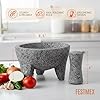


Genuine Handmade Mexican Mortar and Pestle Set- 8 Inches, Molcajete Mexicano — Mexican Cookware Perfect as Salsa Bowls, Guacamole Bowl and Masher, Mortero Para Cocina made from Volcanic Rock in Mexico
(as of March 12, 2026 17:52 GMT -05:00 - More infoProduct prices and availability are accurate as of the date/time indicated and are subject to change. Any price and availability information displayed on [relevant Amazon Site(s), as applicable] at the time of purchase will apply to the purchase of this product.)
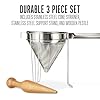
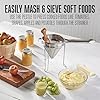
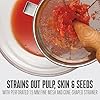
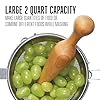

Weston Stainless Steel Cone and Pestle Set (83-3030-W), 2 Quart Capacity, Dishwasher Safe, 1.9-Liter, Silver
(as of March 12, 2026 19:24 GMT -05:00 - More infoProduct prices and availability are accurate as of the date/time indicated and are subject to change. Any price and availability information displayed on [relevant Amazon Site(s), as applicable] at the time of purchase will apply to the purchase of this product.)

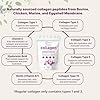

Micro Ingredients Multi Collagen Peptides Powder, 1lb – Hydrolyzed Type I,II,III,V,X with Biotin 10000mcg, Hyaluronic Acid, Vitamin C – Unflavored Collagen for Women & Men, Easy Dissolve, 41 Servings
(as of March 12, 2026 15:03 GMT -05:00 - More infoProduct prices and availability are accurate as of the date/time indicated and are subject to change. Any price and availability information displayed on [relevant Amazon Site(s), as applicable] at the time of purchase will apply to the purchase of this product.)



Homemade Spiderwort Tea Recipe | The Good Old Way
Wednesday 27th of November 2024
[…] FORAGING AND PLANT IDENTIFICATION: HOW TO GET STARTED […]