Did you know that indigenous cultures across the globe have been harnessing the cleaning power of pine needles for centuries?
From the Native American tribes in North America to the Māori people in New Zealand. they’ve been using pine needles not just for their refreshing scent, but also for their antibacterial properties.
It’s like they knew the secret to a naturally clean home all along!
My kids love gathering pine needles, filling baskets with their treasures while laughing and exploring. Then, back in the kitchen, we turn those pine needles into a magical cleaning potion.
The best part? It’s safe for my little ones. With just pine needles and vinegar, I don’t have to worry about exposing them to harsh chemicals. Instead, they can join in on the fun, helping to mix and spray the cleaner all around.
Table of Contents
- EQUIPMENT NEEDED
- Ingredient for Making Homemade Pine Needle Cleaner:
- How to Make Your Homemade Cleaner
- THINGS TO ADD TO BOOST THE CLEANING POWER OF YOUR HOMEMADE CLEANER
- MORE RECIPES YOU WILL LOVE
- Why Do I Use It?
- HOW TO USE YOUR CHRISTMAS TREE
- NORTH AMERICA: WEST COAST PINES AND CEDARS
- NORTH AMERICA: EAST COAST PINES
- CENTRAL NORTH AMERICA PINES
- NORTH AMERICA: MIDWEST PINES
- HAWAII PINES
- MEXICO PINES
I might receive a small commission for items purchased through affiliate links in this post at no additional cost to you.
EQUIPMENT NEEDED
Ingredient for Making Homemade Pine Needle Cleaner:
- Pine Needles: Fresh pine needles are the star of the show here! You can collect them from various pine tree species, make sure they’re clean and free from any debris.
- White Vinegar: This cheap household staple acts as the base for your cleaner. It’s readily available and helps extract the natural oils from the pine needles.
- Orange or Lemon Peels: not only infuses it with a fresh. uplifting scent but also boosts its cleaning power with natural citrus oils.

How to Make Your Homemade Cleaner
- Get Pine Needles and Vinegar: Grab fresh pine needles and white vinegar. You can find pine needles in your backyard or a nearby forest.
- Combine in a Jar: Crush the pine needles slightly and place them in a clean jar. Pour vinegar over them until they’re fully covered.
- Let it Steep: Seal the jar tightly and let it sit for about 6 weeks in a cool, dark place. This gives the vinegar enough time to soak up all those piney aromas and cleaning powers.
- Strain and Store: After 6 weeks, strain out the pine needles using a fine mesh strainer or cheesecloth. Transfer the infused vinegar into a spray bottle or container for easy use.
- Ready to Spritz: Your homemade pine needle and vinegar cleaner is now ready to use! Just give it a good shake, spray it onto surfaces, and wipe clean for a fresh and natural clean.
THINGS TO ADD TO BOOST THE CLEANING POWER OF YOUR HOMEMADE CLEANER
- Essential Oils: Add a few drops of essential oils such as tea tree oil, lavender oil, or eucalyptus oil. for their antibacterial properties and pleasant fragrance.
- Castile Soap: A natural, plant-based soap that helps to cut through grease and lift away dirt, leaving surfaces clean and shiny.
- Vodka or Rubbing Alcohol: Adding a small amount of vodka or rubbing alcohol to your cleaner can help to disinfect surfaces and speed up drying time.
- Citric Acid: Derived from citrus fruits, citric acid helps to break down mineral deposits and soap scum, leaving surfaces clean and shiny.
- Olive Oil: For natural wood surfaces, adding a small amount of olive oil to your cleaner can help to condition and protect the wood, leaving it looking lustrous and beautiful.
Mixing vinegar and hydrogen peroxide can be risky. It creates a chemical reaction, forming peracetic acid, which can be harmful. For your safety, avoid combining these two ingredients in your cleaning solutions.
MORE RECIPES YOU WILL LOVE
- 2 Easy Ways: Wild Yam Cream Recipe | The Good Old Way
- How to Make Apple Cider Vinegar: EASY TO FOLLOW | The Good Old Way
- Unlock the Benefits: Mushroom Powder Recipe to Heal | The Good Old Way
- HOW TO HARVEST AND DRY MULLEIN: IN THE OVEN
Why Do I Use It?
I love using this homemade cleaner! It’s safe and gentle, making it perfect for my family, including our little ones and furry friends.
The natural scent of pine needles brings a refreshing forest aroma into our home, making cleaning a more enjoyable experience.
Plus, with just pine needles and vinegar, it’s incredibly easy to make. It’s amazing how something so simple can be so effective at keeping our home clean and fresh!
HOW TO USE YOUR CHRISTMAS TREE

Your Christmas tree can also be a fantastic source of pine needles for your homemade cleaner. As long as it hasn’t been painted or sprayed with any chemicals.
When it’s time to trim your Christmas tree before bringing it into your home. Don’t let those leftover pine needles go to waste.
NORTH AMERICA: WEST COAST PINES AND CEDARS
- Douglas Fir (Pseudotsuga menziesii): While not a true pine, the Douglas Fir is a dominant tree species on the West Coast. Its fragrant needles add a refreshing citrusy note to your cleaner, invigorating your space with a hint of forest freshness.
- Sitka Spruce (Picea sitchensis): Another iconic tree of the West Coast, the Sitka Spruce contributes to your cleaner with its bright, uplifting aroma. Its needles infuse your solution with a crisp, clean scent, reminiscent of a coastal breeze.
- Western Red Cedar (Thuja plicata): Though not a pine, the Western Red Cedar is abundant on the West Coast and adds a unique twist to your cleaner. Its aromatic foliage brings warmth and depth to the scent, creating a cozy atmosphere in your home.
- Grand Fir (Abies grandis): With its soft, fragrant needles, the Grand Fir imparts a gentle, soothing scent to your cleaner. Its subtle aroma adds a touch of tranquility to your cleaning routine, helping you relax and unwind.
- Shore Pine (Pinus contorta subsp. contorta): Found along the coast, the Shore Pine offers a distinctively resinous fragrance to your cleaner. Its needles infuse your solution with a robust, invigorating aroma, reminiscent of a walk along the shoreline.
NORTH AMERICA: EAST COAST PINES
- Eastern White Pine (Pinus strobus): Known for its long, soft needles and pleasant fragrance, the Eastern White Pine adds a touch of elegance to your cleaner. Its refreshing aroma fills your home with a sense of tranquility and purity.
- Pitch Pine (Pinus rigida): With its dense branches and rich, resinous scent, the Pitch Pine adds depth and warmth to your cleaner. Its robust aroma creates a cozy, inviting atmosphere in your home.
- Virginia Pine (Pinus virginiana): Featuring short needles and a subtle, sweet fragrance, the Virginia Pine brings a gentle, comforting scent to your cleaner. Its soft aroma adds a touch of warmth and nostalgia to your cleaning routine.
- Shortleaf Pine (Pinus echinata): Native to the southeastern United States, the Shortleaf Pine offers short, flexible needles and a mild, resinous fragrance. Its subtle aroma adds a sense of freshness and vitality to your homemade cleaner.
- Loblolly Pine (Pinus taeda): With its long needles and fresh, piney scent, the Loblolly Pine infuses your cleaner with a crisp, invigorating aroma. Its vibrant fragrance fills your home with energy and zest.
CENTRAL NORTH AMERICA PINES
- Shortleaf Pine (Pinus echinata): Found across the central United States, the Shortleaf Pine offers short, flexible needles and a mild, resinous fragrance. Its subtle aroma adds a touch of freshness and vitality to your cleaner.
- Loblolly Pine (Pinus taeda): Another prominent species in central North America, the Loblolly Pine features long needles and a fresh, piney scent. Its vibrant fragrance infuses your cleaner with a crisp, invigorating aroma, reminiscent of a walk through a pine forest.
- Ponderosa Pine (Pinus ponderosa): Native to the western United States but extending into central regions, the Ponderosa Pine boasts long needles and a distinctive vanilla or butterscotch scent. Its warm, inviting fragrance adds depth and complexity to your cleaner, creating a cozy atmosphere in your home.
- Eastern White Pine (Pinus strobus): While primarily found in eastern North America, the Eastern White Pine also extends into central regions. Known for its long, soft needles and pleasant fragrance, it adds a touch of elegance and tranquility to your cleaner.
- Virginia Pine (Pinus virginiana): Common in the central and southeastern United States, the Virginia Pine offers short needles and a subtle, sweet fragrance. Its gentle aroma brings a sense of warmth and comfort to your homemade cleaner.
NORTH AMERICA: MIDWEST PINES
- Eastern White Pine (Pinus strobus): This iconic tree is abundant in the Northeastern United States, known for its long, soft needles and pleasant fragrance. Its clean, refreshing scent adds a sense of purity and tranquility to your cleaner.
- Red Pine (Pinus resinosa): Found in the northern regions of the Northeast, the Red Pine offers long needles and a subtle, resinous scent. Its gentle aroma brings a touch of warmth and comfort to your homemade cleaner.
- Pitch Pine (Pinus rigida): Common in the Northeastern United States, the Pitch Pine boasts dense branches and a rich, resinous fragrance. Its robust aroma adds depth and character to your cleaner, creating a cozy atmosphere in your home.
- Eastern Hemlock (Tsuga canadensis): While not a true pine, the Eastern Hemlock is prevalent in the Northeast and can be used to add a unique twist to your cleaner. Its needles offer a fresh, earthy scent, infusing your solution with a grounding, forest-like aroma.
- Eastern Red Cedar (Juniperus virginiana): Though technically a cedar, the Eastern Red Cedar is often included in discussions of pine trees and is found in the Northeast. Its fragrant foliage adds warmth and depth to your cleaner, creating a cozy atmosphere in your home.
HAWAII PINES
- Norfolk Island Pine (Araucaria heterophylla): Although not a true pine, the Norfolk Island Pine is a common ornamental tree in Hawaii. Its branches feature soft, needle-like leaves arranged in spirals, similar to pine needles. Using needles from this tree in your cleaner can impart a subtle, fresh scent, adding a tropical touch to your cleaning experience.
- Ironwood (Casuarina spp.): Also known as Australian Pine, although it’s not a true pine, Ironwood trees are common in Hawaii’s coastal areas. Their needle-like leaves and resinous wood can be used to create a cleaner with a unique, invigorating scent, reminiscent of the salty ocean breeze and the lush vegetation of the islands.
- Koa (Acacia koa): While not a true pine, Koa trees are native to Hawaii and are prized for their beautiful wood and fern-like foliage. Using Koa leaves or twigs in your cleaner can infuse it with a subtle, earthy aroma, reminiscent of the rich biodiversity and cultural heritage of the Hawaiian Islands.
- Ohia Lehua (Metrosideros polymorpha): Another native Hawaiian tree, Ohia Lehua is known for its vibrant red flowers and evergreen foliage. While not pine-like in appearance, using Ohia Lehua leaves or flowers in your cleaner can add a delicate floral note, bringing a touch of Hawaii’s natural beauty into your home.
- Pandanus (Pandanus spp.): Also known as Hala or Screw Pine, Pandanus trees are common in Hawaii’s coastal areas. While they don’t have needles like pine trees, the leaves and fruit of Pandanus trees have a unique, tropical fragrance that can add an exotic twist to your homemade cleaner, reminiscent of a Hawaiian paradise.
MEXICO PINES
- Mexican Pinyon Pine (Pinus cembroides): Found in the mountainous regions of Mexico, the Mexican Pinyon Pine offers short, stout needles and a warm, nutty aroma. Its cozy fragrance adds a comforting touch to your cleaner, creating a welcoming atmosphere in your home.
- Mexican White Pine (Pinus ayacahuite): Also known as Ayacahuite, this pine species features long, slender needles and a fresh, invigorating scent. Its vibrant fragrance infuses your cleaner with energy and vitality, reminiscent of a walk through a Mexican pine forest.
- Mexican Yellow Pine (Pinus pseudostrobus): Common in the central and southern regions of Mexico, the Mexican Yellow Pine boasts long, flexible needles and a subtle, citrusy fragrance. Its refreshing aroma adds a sense of brightness and zest to your homemade cleaner.
- Oaxacan Pine (Pinus oaxacana): Native to the state of Oaxaca in southern Mexico, this pine species offers short, dark green needles and a rich, earthy scent. Its robust fragrance adds depth and character to your cleaner, creating a cozy atmosphere in your home.
- Durango Pine (Pinus durangensis): Found in the mountains of northern Mexico, the Durango Pine features long, slender needles and a clean, piney scent. Its crisp fragrance infuses your cleaner with a sense of freshness and vitality, reminiscent of the rugged landscapes of northern Mexico.

If you have never laid eyes on a chanterelle mushroom before, this new endeavor might be slightly intimidating to you. Read more

These Easy Fire Starters are made with common household items that you normally throw away! Just 3 materials you need Read more

Baked Brie is a wonderful way to start or finish a meal! Great for holidays or family get togethers, anyone Read more

Homemade lard is a traditional way of taking fat and turning it into a very diverse and useful ingredient. Use Read more

I started cooking at a very young age. In middle school, my friends and their parents would ask me to cook food for them because I could make something out of nothing. I love to cook up new concoctions and see what everyone likes. When I became of working age, I started as a buss boy at a barbecue restaurant, and then moved on to work all positions of the restaurant industry. From head chef of a Jamaican restaurant in Tulsa, OK, to sous chef at a highly accredited bistro on the Oregon coast, all before I turned 21.
I Inherited land in southeast Oklahoma and now spend my days working a Fedex delivery route and working with my wife and 3 young boys on our rural homestead. We raise many different kinds of animals and some vegetable gardens. I hunt all manor of large and small game, and butcher all of my own meat. We harvest wild edibles of all kinds and enjoy to cook with them and eat them.
I am grateful that you stopped by to see how we are doing and hope to see you again very soon. We would love to be friends and hope you enjoy all of the recipes and information that I can manage to put out.
Thank you, and much love!
-Eligh
I may receive a small commission for items purchased through affiliate links in this post at no additional cost to you.
- Homemade Remedy for Arthritis: Ginger Poultice - January 21, 2025
- THE WORLD FAMOUS SMELT FISH - January 9, 2025
- GROWING CORIANDER FROM SEED - December 10, 2024

KitchenAid KSM3311XAQ Artisan Mini Series Tilt-Head Stand Mixer, 3.5 quart, Aqua Sky Blue
(as of March 11, 2026 01:11 GMT -05:00 - More infoProduct prices and availability are accurate as of the date/time indicated and are subject to change. Any price and availability information displayed on [relevant Amazon Site(s), as applicable] at the time of purchase will apply to the purchase of this product.)



KitchenAid Artisan Series 5 Quart Tilt Head Stand Mixer with Pouring Shield KSM150PS, Matcha
(as of March 11, 2026 02:58 GMT -05:00 - More infoProduct prices and availability are accurate as of the date/time indicated and are subject to change. Any price and availability information displayed on [relevant Amazon Site(s), as applicable] at the time of purchase will apply to the purchase of this product.)


Instant Pot, 6-Quart Whisper Quiet 9-in-1 Electric Pressure Cooker, Slow Rice Steamer, Sauté, Yogurt Maker, Warmer & Sterilizer, Free App with 800+ Recipes, Stainless Steel
(as of March 11, 2026 00:28 GMT -05:00 - More infoProduct prices and availability are accurate as of the date/time indicated and are subject to change. Any price and availability information displayed on [relevant Amazon Site(s), as applicable] at the time of purchase will apply to the purchase of this product.)Auto Amazon Links: No products found.


IMUSA USA Granite Molcajete Spice Grinder 6-Inch, Gray
(as of March 11, 2026 06:13 GMT -05:00 - More infoProduct prices and availability are accurate as of the date/time indicated and are subject to change. Any price and availability information displayed on [relevant Amazon Site(s), as applicable] at the time of purchase will apply to the purchase of this product.)
Nut Milk Bags, All Natural Cheesecloth Bags, 12"x12", 2 Pack, 100% Unbleached Cotton Cloth Bags for Tea/Yogurt/Juice/Wine/Soup/Herbs, Durable Washable Reusable Almond Milk Strainer(Weave 66x70)
(as of March 10, 2026 19:27 GMT -05:00 - More infoProduct prices and availability are accurate as of the date/time indicated and are subject to change. Any price and availability information displayed on [relevant Amazon Site(s), as applicable] at the time of purchase will apply to the purchase of this product.)



Genuine Handmade Mexican Mortar and Pestle Set- 8 Inches, Molcajete Mexicano — Mexican Cookware Perfect as Salsa Bowls, Guacamole Bowl and Masher, Mortero Para Cocina made from Volcanic Rock in Mexico
(as of March 11, 2026 06:13 GMT -05:00 - More infoProduct prices and availability are accurate as of the date/time indicated and are subject to change. Any price and availability information displayed on [relevant Amazon Site(s), as applicable] at the time of purchase will apply to the purchase of this product.)
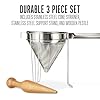

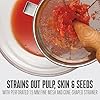
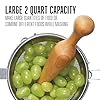

Weston Stainless Steel Cone and Pestle Set (83-3030-W), 2 Quart Capacity, Dishwasher Safe, 1.9-Liter, Silver
(as of March 11, 2026 06:13 GMT -05:00 - More infoProduct prices and availability are accurate as of the date/time indicated and are subject to change. Any price and availability information displayed on [relevant Amazon Site(s), as applicable] at the time of purchase will apply to the purchase of this product.)

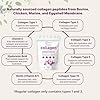

Micro Ingredients Multi Collagen Peptides Powder, 1lb – Hydrolyzed Type I,II,III,V,X with Biotin 10000mcg, Hyaluronic Acid, Vitamin C – Unflavored Collagen for Women & Men, Easy Dissolve, 41 Servings
(as of March 11, 2026 06:13 GMT -05:00 - More infoProduct prices and availability are accurate as of the date/time indicated and are subject to change. Any price and availability information displayed on [relevant Amazon Site(s), as applicable] at the time of purchase will apply to the purchase of this product.)




Banana Face Mask for Wrinkles: FREEZER STICK | The Good Old Way
Sunday 12th of May 2024
[…] EASY HOMEMADE PINE CLEANER: HOW TO VIDEO INCLUDED […]